4.9 Star Rating 250+ Reviews
4.9 Star Rating 250+ Reviews
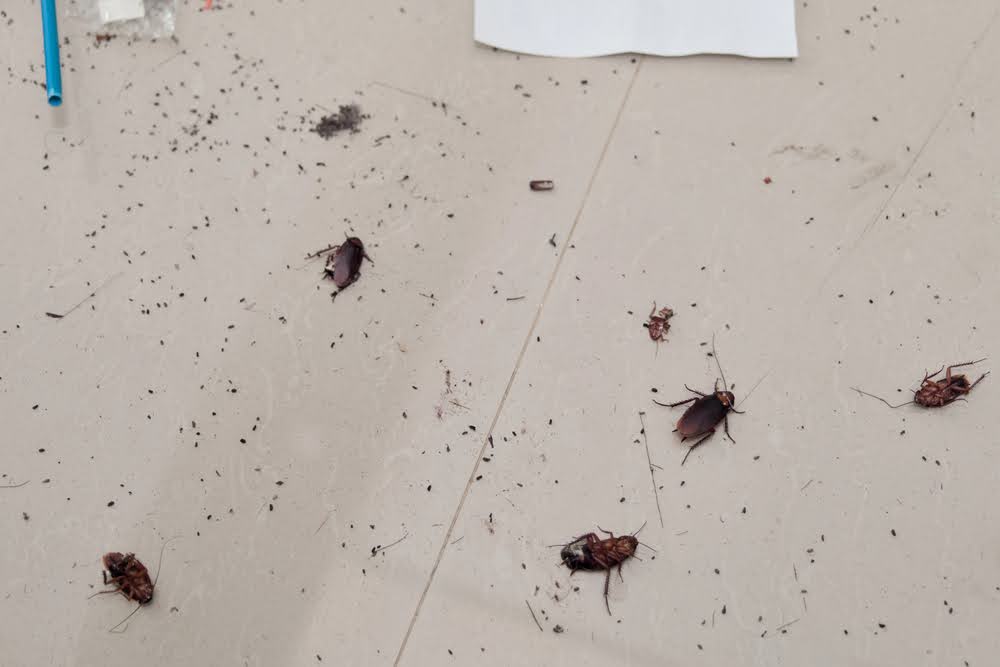
A single sighting of pest droppings in your business can trigger thousands of dollars in lost revenue, costly fines, and long-term damage to the reputation you worked years to build. From grain-of-rice-sized rodent pellets hidden behind restaurant equipment to the black specks of cockroach droppings near food storage areas, these small signs signal serious risk for California businesses.
Once pest droppings appear in your facility, you are facing a triple threat: immediate health code violations, potential closure or reinspection orders, and reputation damage that spreads faster than any infestation itself, often before you even have a chance to respond.
In this article, we’ll explore how pest droppings impact business operations, the health code violations they can trigger, and why early professional intervention is essential to protecting your compliance, customers, and reputation.
Pest droppings are one of the clearest signs of an active infestation, often revealing where pests are feeding, nesting, and moving throughout your facility. For California businesses, recognizing these warning signs early can prevent health code violations and operational disruptions.
Common pest droppings found in commercial facilities include:
To trained technicians, droppings reveal the type of pest, the size and age of the infestation, travel patterns, and likely nesting locations. Fresh droppings appear dark and moist, while older droppings are lighter, dry, and crumbly, helping determine how long pests have been present.
California enforces some of the strictest health and safety codes in the country, and pest droppings are an immediate red flag during inspections. Under the California Retail Food Code, visible pest droppings are considered a critical violation, often triggering swift action from county health departments. For food service establishments, this may include grade reductions, mandatory closures until the issue is resolved, reinspection fees, and repeated follow-up inspections that disrupt daily operations.
California county health departments treat pest-related violations seriously. Fines commonly range from $500 to $5,000 per violation, with escalating penalties for repeat offenses. Proper documentation and professional remediation are often required to regain compliance and avoid further enforcement action.
Our licensed technicians understand California’s regulatory expectations across every county we serve, ensuring pest issues are resolved correctly, documented properly, and aligned with what health inspectors look for before your business is put at risk.
Pest droppings are not just a sanitation issue; they present serious health risks that increase business liability. In commercial environments, exposure to contaminated droppings can put employees, customers, and inspectors at risk.
Common health threats linked to pest droppings include:
Attempting to sweep or vacuum pest droppings without proper procedures can aerosolize harmful particles, spreading contamination throughout your facility. This is why OSHA workplace safety guidelines emphasize proper handling and why professional remediation is critical for protecting staff and maintaining compliance.
Your responsibility includes every person who enters your business. Illness traced back to pest exposure can result in legal claims, regulatory scrutiny, and long-term financial damage. Professional pest control not only eliminates health risks but also provides documented proof of due diligence should questions arise later.
When pest droppings appear in your California business, immediate action protects everything you’ve built. Start by documenting the issue with photographs, but avoid cleaning droppings without proper personal protective equipment. Restrict access to affected areas and contact a licensed commercial pest control provider right away. With inspections and operations on the line, every hour matters, which is why we offer same-day response for commercial pest emergencies.
Effective prevention goes beyond reactive treatment. A comprehensive defense strategy should include:
Professional pest control delivers more than temporary relief. Licensed, certified technicians understand inspection documentation requirements, apply Integrated Pest Management (IPM) strategies that minimize disruption, and provide ongoing monitoring to prevent recurrence. Our The PestShield365 program ensures that if pests return between scheduled visits, so do we at no additional cost.
We stand vigilant so you can operate with confidence. Our commercial pest control solutions combine advanced treatment methods with dependable, old-fashioned service that respects your business, your schedule, and your customers’ experience.
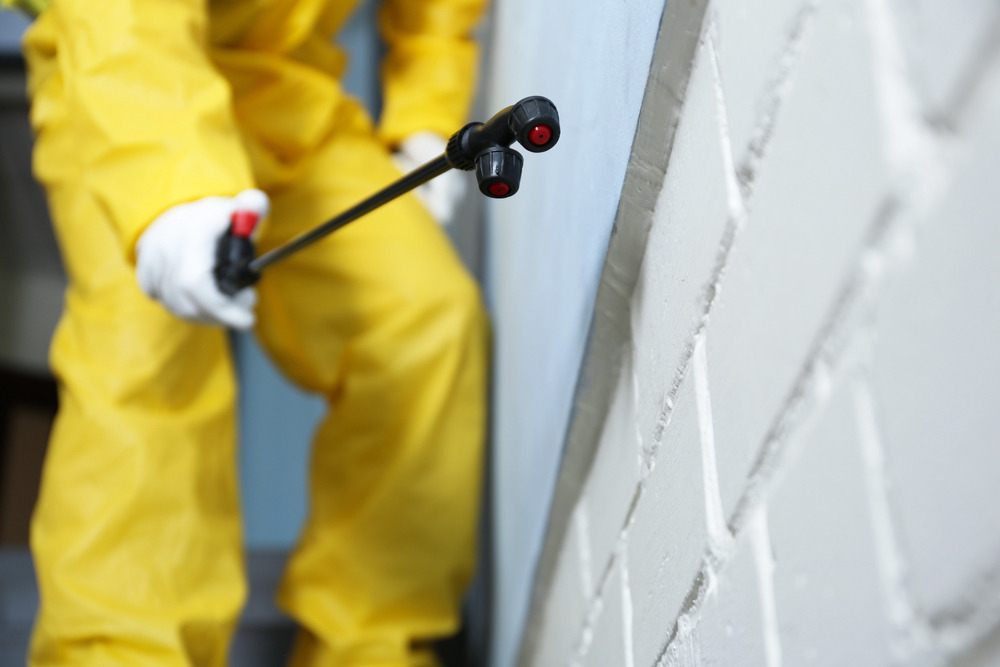
Professional pest control isn’t just another operating cost; it’s protection for your revenue, reputation, and regulatory compliance. One failed inspection, negative review, or contamination incident can cost far more than ongoing professional service. Businesses that stay compliant and trusted treat pest control as essential infrastructure, not a reactive expense.
You’ve invested years building customer trust and operational stability. A proactive pest control partnership helps safeguard that investment, allowing you to focus on growth instead of risk management.
Take action before pests take notice. Our California-based commercial pest control team delivers tailored solutions that meet strict regulatory standards while minimizing disruption to your operations. From restaurants and healthcare facilities to warehouses and government buildings, we provide vigilant, documented protection you can rely on.
Contact us for a same-day response and professional assessment. Let us handle the vigilance so you can run your business with confidence.
Pest droppings are typically identified by their size, shape, texture, and location. In commercial facilities, droppings are often found along walls, behind equipment, near food storage areas, and in utility spaces. Fresh droppings appear dark and moist, while older droppings are lighter, dry, and crumbly. Proper identification is critical, as different pests carry different health and compliance risks.
Black pellet-shaped droppings are most commonly left by rodents, particularly mice and rats. Mouse droppings are small, rice-sized, and pointed at the ends, while rat droppings are larger and blunt. These droppings typically indicate active feeding and nesting nearby and require immediate professional attention.
Several materials are commonly mistaken for mouse droppings, including insect droppings, dirt, seeds, insulation debris, and food crumbs. Unlike debris, mouse droppings have a uniform shape and are often found in clusters along travel paths. A professional inspection is the safest way to confirm pest activity and avoid unnecessary cleanup risks.
Small black dots are often caused by cockroach droppings, which resemble ground black pepper or coffee grounds. These are commonly found in kitchens, restrooms, and damp areas. In some cases, pantry pests or flies may leave similar residue, making professional identification important for proper treatment and compliance.