“How much is this going to cost me?” is usually the first question homeowners ask before booking a Fresno termite inspection, and the honest answer is that it depends on which kind of inspection you’re asking about. There isn’t one flat rate, because there isn’t one type of termite inspection.
Some companies offer a no-cost initial visit for homeowners who just want a professional opinion. Others charge for a formal, legally documented report. The two aren’t interchangeable, and knowing which one you’re asking about before you call saves you from comparing prices that were never measuring the same thing.
Two Different Things People Call “a Termite Inspection”
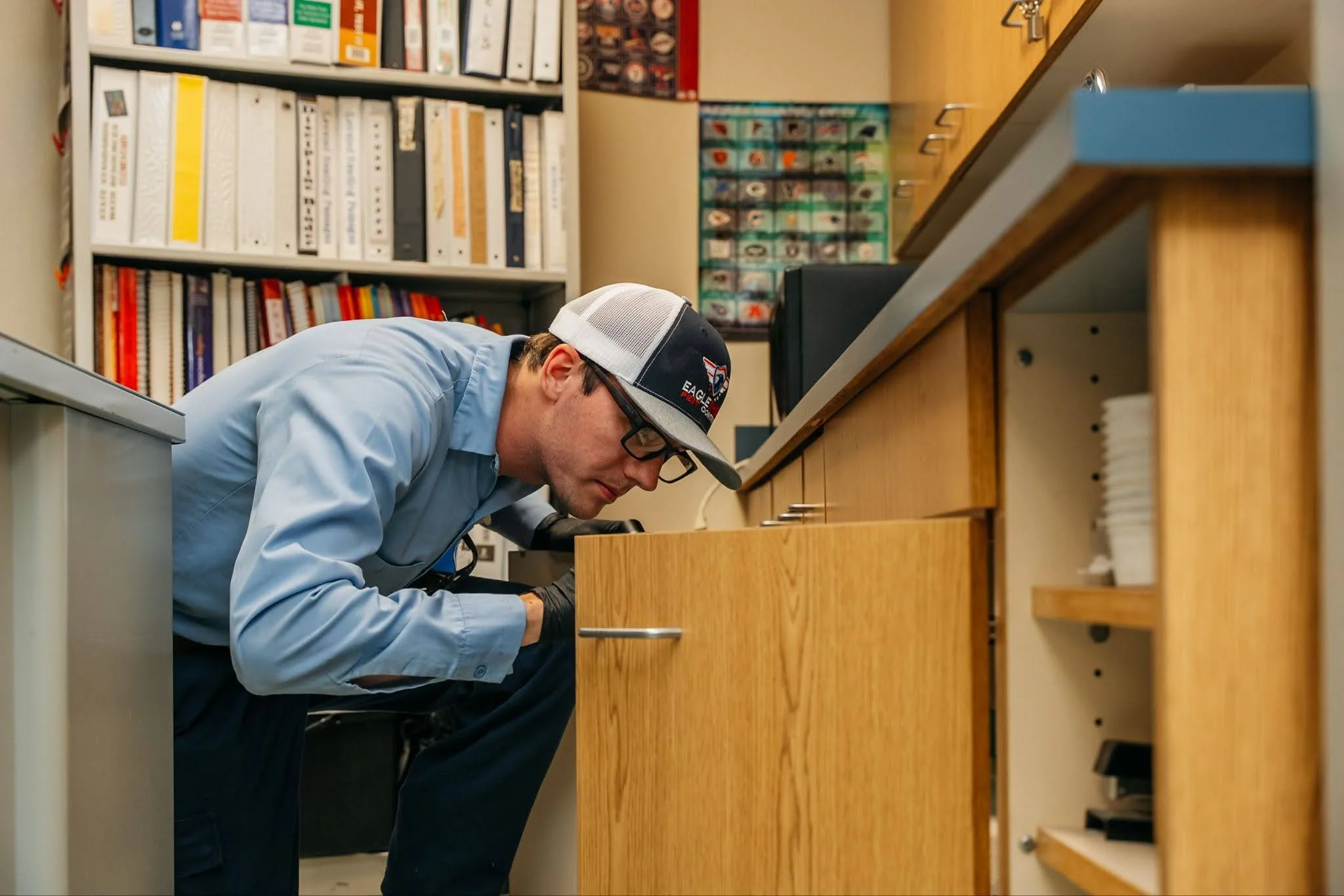
It’s common practice across the pest control industry for companies to offer a complimentary walk-through for homeowners who suspect a problem but haven’t had anyone look yet. This kind of visit is generally built around one question: is there active termite activity here that needs treatment? It typically involves checking accessible areas for shelter tubes or damage and a conversation about what the technician found.
What that kind of visit generally isn’t is a formal Wood Destroying Organism (WDO) report. Whether a specific company offers a no-cost visit, and what exactly it includes, varies by company and sometimes by season or promotion, so it’s worth asking directly what’s included and whether there’s a charge before you schedule. Don’t assume either way.
The Paid, Formal Inspection: What You’re Actually Paying For
The inspection that reliably comes with a fee is the formal one, and the fee reflects what you’re getting: a legally standardized document, not just a verbal opinion. California requires a written inspection report on a state-prescribed form, including a diagram of the structure and a clear statement of which areas were and weren’t inspected, regardless of whether the company ends up performing any treatment.
This is the report most lending institutions require before financing a home loan, which is why it comes up constantly in real estate transactions even though the state itself doesn’t mandate it outside of that lender requirement. Because the report has to meet a specific regulatory standard and gets filed with the state, it takes more time and carries more liability for the company producing it than a casual walk-through does, and the price generally reflects that.
What Actually Drives the Cost Up or Down
A few factors move the number for a paid inspection more than anything else:
Home size and layout. A larger footprint, or one with a crawlspace and attic that both need to be accessed, takes longer to inspect thoroughly than a simple slab home with limited hidden space.
Accessibility. Areas blocked by storage, furniture, or clutter get marked as uninspected rather than assumed clear, but if an inspector has to spend extra time working around obstacles rather than the homeowner clearing them beforehand, that can factor into time and cost.
Purpose of the report. A real estate transaction usually calls for a full, formal WDO report, while a routine check for a current homeowner not selling anytime soon may not need the same level of documentation.
Prior activity on file. If a property already has WDO reports filed with the Structural Pest Control Board, that history is available for two years and can sometimes streamline what a new inspection needs to cover.
Why the Awareness Gap Costs Homeowners More Than the Inspection Does
Cost aside, the bigger issue is that most homeowners aren’t getting inspected often enough regardless of price. A 2026 national survey conducted for the National Pest Management Association found that only 36% of homeowners are familiar with the common signs of a termite infestation, and fewer than half believe prevention is more cost-effective than repair, despite it almost always being true.
Whatever an inspection costs, it’s a small number next to the repair bill for damage that’s had years to spread undetected. The question worth asking isn’t really “what’s this going to cost me,” it’s “when did I last have this checked.”
The Real Cost Is Waiting
There’s typically a lower-commitment option and a formal, documented option, and they answer different questions. A quick walk-through-style visit tells you whether there’s an active problem worth addressing right now. A paid, formal WDO inspection produces a legally standardized report that lenders and real estate transactions specifically require, and its cost reflects the documentation standard behind it, not just the time spent walking through your house.
If you’re not sure which one you need, that’s a five-minute phone call, not a guessing game. Contact EagleShield to schedule your termite inspection and ask directly what’s included, whether you need a documented WDO report for a transaction, and what it will cost — the answers determine which inspection applies to you.
FAQ
Do all pest control companies offer a free termite inspection?
It varies by company and sometimes by season or promotion. Ask directly what a specific visit includes and whether there’s a charge before you schedule.
Why does a real estate termite inspection cost more than a routine one?
It has to follow a specific state-prescribed report format, get filed with the Structural Pest Control Board, and meet a documentation standard that a routine walk-through doesn’t require.
Can I use an old inspection report instead of paying for a new one?
Sometimes. Reports filed with the state are on record for two years and can be requested for a specific property, which may cover what a new transaction needs without a fresh inspection.
Does clearing clutter before an inspection actually save money?
It can help the inspection go faster and more thoroughly, since blocked areas get marked as uninspected rather than checked, which is a gap you’d otherwise want covered.