
4.9 Star Rating 250+ Reviews

4.9 Star Rating 250+ Reviews
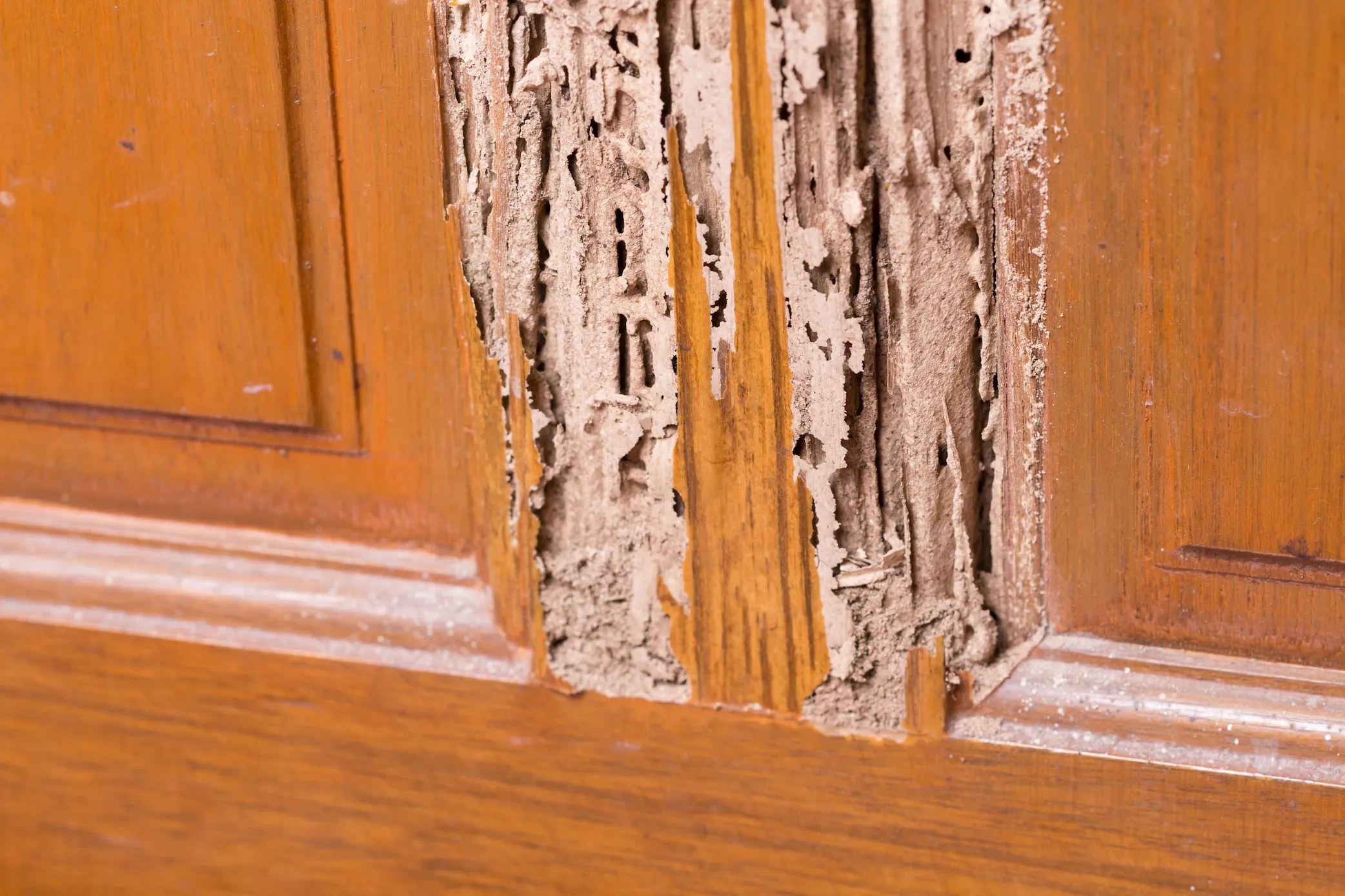
After a termite treatment, most homeowners have one pressing question: how long does this protection actually last? It’s a fair question — and one that doesn’t have a single answer. The timeline depends almost entirely on which treatment method was used, and mixing them up is the most common reason homeowners think their treatment has failed when it hasn’t.
Understanding the realistic lifespan of each method helps you know what to expect, when to schedule follow-up inspections, and how to evaluate whether your warranty is doing what it should. Here’s a clear breakdown of every major treatment type — and the factors that affect how long each one holds.
Not sure which treatment type was used on your home, or whether you even need one yet? Our guide to termite warning signs is a good starting point before going further.
Liquid termiticide applied to the soil around a home’s foundation is the most widely used treatment method in the industry, and it has the longest established track record of any chemical approach. A licensed technician trenches around the perimeter, injects termiticide into the soil at precise intervals, and creates a continuous chemical zone that subterranean termites cannot cross without being exposed to the active ingredient.
The EPA requires soil-applied termiticides to demonstrate a minimum of five years of efficacy before they can be registered for sale — meaning no compliant product should fail to protect your home within that window when properly applied. In practice, many liquid treatments in stable soil conditions remain effective for up to ten years.
The biggest threats to a liquid barrier are physical disruption and moisture. Landscaping work, utility line installation, concrete work, or any digging within the treated zone can break the continuity of the barrier — creating gaps that termites can exploit. Heavy rainfall and sandy or highly porous soil also cause termiticides to break down or leach away faster than average.
This is why annual inspections matter even when your treatment is relatively fresh. A barrier that looks complete on paper may have a gap that opened up after a plumber ran a pipe through the treated area or after significant erosion. Identifying and spot-treating those gaps early is far cheaper than a full retreatment — or a repair bill.
A liquid treatment warranty should specify the duration of coverage, whether retreatment is included if termites reappear within that window, and what conditions — like soil disturbance caused by the homeowner — could affect coverage. If the warranty doesn’t address retreatment explicitly, get clarification in writing before signing.
Bait stations work on a fundamentally different principle than liquid barriers. Rather than blocking termites at the perimeter, bait systems intercept foraging termites, feed them a slow-acting insecticide, and allow them to carry it back to the colony — ultimately collapsing the colony over time. The EPA notes that bait systems have grown in popularity as a lower-toxicity alternative to conventional liquid treatments.
The critical distinction: bait stations don’t have a fixed expiration date the way a liquid barrier does. They protect your home for as long as they’re actively monitored and maintained. The bait inside the stations must be replenished regularly, inspected for termite activity, and replaced if it degrades. Without that ongoing service, the system stops working.
This is where homeowners often misread the treatment as a failure. Bait systems are deliberately slow-acting — the termiticide needs to transfer through the colony before it takes effect, which typically takes three to six months before a meaningful reduction in colony activity is visible. In some cases with large or established colonies, it can take longer.
Seeing termite activity near the bait stations during that window is not a sign the treatment isn’t working — it may actually indicate termites are actively feeding on the bait. The key is maintaining the inspection schedule so a technician can confirm the bait is being consumed and adjust station placement if needed.
Bait systems are particularly well-suited for properties where trenching is impractical — homes on slabs with limited access points, properties near water sources where soil treatment poses environmental concerns, or homeowners who prefer a lower-chemical footprint. They’re also commonly used as a long-term monitoring system after a liquid treatment has completed its active control phase.
Fumigation — commonly called tenting — is the standard treatment for drywood termite infestations, which live entirely within the wood rather than in the soil. The home is sealed and filled with a gas termiticide that penetrates wood and kills all termites present at the time of treatment. Results are immediate and comprehensive, reaching areas that liquid treatments or bait stations cannot access.
The important caveat: fumigation leaves no residual protection. Once the gas dissipates and the home is cleared for re-entry — typically 24 to 72 hours after treatment — there is nothing preventing a new drywood termite colony from establishing itself. Fumigation solves the current infestation; it doesn’t create an ongoing barrier.
For homes in areas with persistent drywood termite pressure, fumigation is often paired with spot treatments, borate wood applications, or annual inspection programs to provide some level of ongoing protection after the initial treatment.
Spot treatments target a localized area of active infestation — a specific wall void, a section of flooring, or a discrete structural member — rather than the whole structure. They’re typically used for drywood termites and are faster and less disruptive than full fumigation, but only appropriate when the infestation is genuinely isolated.
Wood treatments, including borate applications, are applied directly to wood surfaces and work by making the wood itself inhospitable to termites. When properly applied, borate treatments can remain effective for the life of the wood — provided the treated surface isn’t covered, painted over, or exposed to prolonged moisture that causes leaching. These are especially common as a preventive measure during new construction or renovation when walls are open.
The limitation of spot treatments is that they depend on an accurate assessment of how contained the infestation actually is. An infestation that looks localized may have spread further than the visible evidence suggests. If spot treatment is recommended for your home, confirm with your technician how the scope of the infestation was determined and what monitoring plan is in place afterward.
Regardless of which treatment was applied, several factors consistently affect how long protection holds:
| Note on repair costs: Treatment is a fraction of what structural repairs cost when a lapsed barrier goes undetected. Our post on the true cost of termite damage walks through what those bills actually look like — and why early action consistently saves homeowners thousands. |
It depends on the method. Liquid barriers begin working immediately upon contact — termites that cross the treated zone are eliminated within days. Fumigation is also immediate. Bait stations are intentionally slow-acting, typically taking three to six months to significantly reduce colony activity as the bait is carried back through the colony.
Not necessarily — but annual inspections are strongly recommended regardless of treatment type. Liquid barriers generally don’t require retreatment until the treatment window expires (typically five or more years), provided the barrier hasn’t been disturbed. Bait stations require regular service visits to remain effective. Your warranty terms will specify retreatment conditions.
Common conditions that can void or limit a warranty include: soil disturbance within the treated zone (landscaping, construction, plumbing work) without notifying the pest control company; missed annual inspection appointments required to maintain coverage; and structural changes that break the barrier. Always read the warranty terms before signing and ask specifically about these scenarios.
Yes — especially with bait systems. Seeing termites near bait stations in the weeks after installation often means they’re actively feeding, which is how the treatment works. With liquid barriers, some stragglers may appear briefly before the barrier takes full effect. If you’re seeing heavy activity several months after treatment, contact your pest control company to assess whether retreatment is needed.
The right method depends on the termite species present (subterranean vs. drywood), the construction type of your home, proximity to water or sensitive areas, and the severity of any existing infestation. Our termite control page outlines the approaches we use and why — or you can schedule an inspection to get a recommendation specific to your home.
A termite treatment is only as valuable as the understanding behind it. Liquid barriers, bait stations, fumigation, and spot treatments all work — but they work differently, on different timelines, and with different maintenance requirements. Knowing which method is active in your home, when it needs to be inspected, and what your warranty actually covers is the difference between genuine protection and a false sense of security.
Annual inspections are the single most reliable safeguard across all treatment types — not because treatments fail routinely, but because soil shifts, construction happens, and termites are persistent. Catching a gap in coverage early costs a fraction of what repairing structural damage costs later. Our post on why termite prevention matters as much as treatment goes deeper on this.
At Eagle Shield Pest Control, we document every treatment clearly — method used, products applied, coverage area, and warranty terms — so you always know exactly what’s protecting your home and for how long. If you’re unsure what treatment is currently in place, or if it’s been a while since your last inspection, schedule a visit with our team. We’ll give you a straight answer.