
4.9 Star Rating 250+ Reviews

4.9 Star Rating 250+ Reviews
Eco-friendly pest control often sounds appealing, but for many California homeowners, it raises an important question: does it actually work, or is it just clever marketing? When pests invade your home, effectiveness matters just as much as safety. You want solutions that eliminate pests without compromising your family’s health, your pets, or the environment you care about.
The good news is that truly eco-friendly pest control does exist. The challenge lies in separating proven, science-based methods from greenwashed claims that offer little more than peace of mind. In this article, we’ll break down what eco-friendly pest control really means in California, which approaches deliver real results, and how you can protect your home responsibly without sacrificing effectiveness.
The pest control industry is full of “green” terminology, but these labels are often used inconsistently. Eco-friendly pest control focuses on reducing environmental impact while prioritizing non-toxic or low-toxicity methods whenever possible. Green pest control is often used interchangeably, though its meaning varies widely between providers.
Organic pest control relies on naturally derived products, but natural does not automatically mean safe or effective. What matters most is whether a method is proven, targeted, and applied responsibly.
The gold standard for environmentally responsible pest control is Integrated Pest Management (IPM). This science-based approach emphasizes prevention, monitoring, and precise treatments using the least invasive solution needed to achieve lasting results.
Integrated Pest Management (IPM) replaces the outdated “spray everything” approach with a smarter, environmentally responsible strategy. Understanding how IPM works helps homeowners distinguish real eco-friendly pest control from greenwashed marketing.
Thorough inspections identify entry points, attractants, and nesting areas. Sealing gaps, removing food and water sources, and making minor repairs can resolve many pest issues without any treatment at all, making prevention the most eco-friendly step.
Physical barriers, exclusion methods, mechanical traps, habitat modification, and targeted treatments like heat for bed bugs eliminate pests without introducing chemicals. These methods work best for early or isolated infestations.
When pests persist, precise application of low-toxicity products in specific areas is often more environmentally responsible than repeated use of ineffective natural sprays. Targeted baits limit exposure while delivering long-term results.
California’s climate allows for year-round prevention strategies that reduce overall treatment needs. By understanding local pest behavior and working with natural predators, IPM minimizes environmental impact while protecting beneficial insects and maintaining healthy indoor air quality.
The result is fewer treatments, less product use over time, and lasting protection for your home without compromising your environmental values.
Before professional treatment is needed, California homeowners can take several natural prevention steps that help stop pests early and reduce ongoing risk. These strategies are most effective for minor activity and as support between professional visits.
Natural methods work best when pest issues are caught early. Active infestations, wood-destroying pests like termites, health-risk pests such as rodents and cockroaches, or repeated DIY failures all signal the need for professional intervention. We eliminate established infestations while supporting the prevention efforts that keep your home protected long-term.
True eco-friendly pest control requires honesty about what works and what doesn’t. Many products marketed as “green” offer reassurance without results, allowing pest problems to worsen over time.
Common eco-friendly myths include:
Another common misconception is the reactive approach, only calling for help once pests are visible. While it may seem environmentally responsible to avoid preventative treatment, this strategy often results in larger infestations that require more aggressive intervention later.
True environmental responsibility focuses on early prevention and targeted action, reducing the need for repeated treatments and minimizing long-term impact on your home and the environment.
You deserve complete transparency about the methods and products used in your home. When comparing eco-friendly pest control providers, look for clear indicators of genuine environmental responsibility, not just marketing claims.
Choosing the right provider means partnering with a company that prioritizes results, safety, and accountability, not shortcuts or slogans.
You don’t have to choose between a pest-free home and protecting the environment. Science-backed Integrated Pest Management delivers both by combining prevention, targeted treatment, and environmentally responsible practices designed for California homes.
Our PestShield365 program provides ongoing protection with fewer reactive treatments and less product used over time, giving you consistent results and peace of mind through every season. As proud members of Clean Stormwater Partners, we hold ourselves to higher environmental standards while delivering the reliable protection your home deserves.
Ready for pest control that actually works without compromise? Contact us for a same-day response and a professional assessment. We’re happy to explain our methods, products, and environmental commitments so you can make an informed, confident choice.
Yes—when it’s done correctly. Eco-friendly pest control methods such as Integrated Pest Management (IPM) focus on prevention, monitoring, and targeted treatment. This approach eliminates pests while reducing environmental impact and often provides longer-lasting results than reactive spraying.
Non-toxic and low-toxicity pest control methods are designed with family safety in mind. When applied by licensed professionals using targeted techniques, these treatments significantly reduce exposure risks for children and pets while still effectively controlling pests.
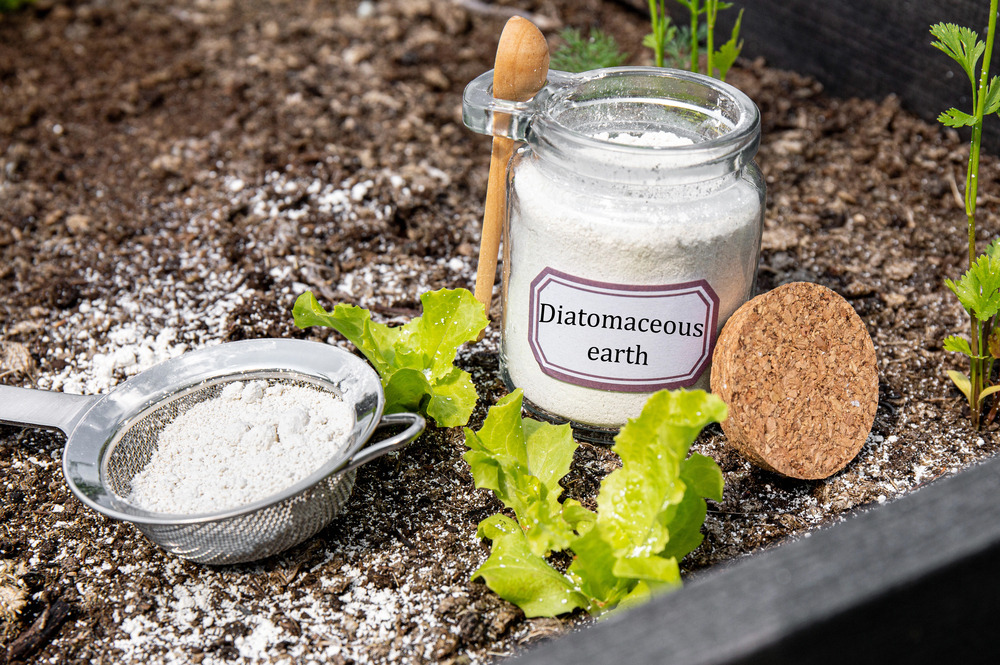
There is no single “best” organic solution for every situation. Organic products like diatomaceous earth or plant-based repellents can be effective for minor or early-stage pest activity, but established infestations often require a broader IPM strategy to achieve lasting results.
Not necessarily. While some eco-friendly treatments may cost slightly more upfront, they often reduce the need for repeated services by addressing the root cause of infestations. Over time, this can make eco-friendly pest control more cost-effective than frequent reactive treatments.