Bed Bug Pest Control Service: Complete Guide to Bed Bug Extermination and Prevention

You wake up with itchy welts in a line across your arm. Small dark spots appear on your sheets. Then you spot it—a tiny, flat, reddish-brown insect crawling near your mattress seam.

California faces serious bed bug challenges. According to 2024 service data from Terminix, Los Angeles ranks No. 4 in the nation for bed bug infestations. Bay Area cities, including San Francisco, Oakland, and San Jose, collectively rank No. 9. San Diego comes in at No. 32. These pests invade where you should feel safest, disrupt sleep, and reproduce rapidly.

Effective bed bug pest control services exist, and when done properly, they work. This guide covers everything California homeowners need to know about bed bug extermination. You’ll learn how to identify an infestation, understand treatment options, prepare your home, and choose the right pest control service.

What is Bed Bug Pest Control Service

Bed bug pest control service is specialized professional treatment requiring specific training, equipment, and methods to target bed bugs at every life stage. Services include thorough inspection, customized treatment plan, active extermination using heat or chemical methods, and follow-up visits to ensure complete elimination.

Bed bugs hide in cracks as thin as a credit card and have developed resistance to many over-the-counter pesticides. Their eggs survive incomplete treatments and restart infestations weeks later. Licensed professionals access treatment methods and products unavailable to the public. In California, bed bug services must comply with strict state regulations governing pesticide use and safety protocols.

Signs You Need Bed Bug Extermination

Recognizing bed bug activity early makes elimination faster and less expensive. Watch for these signs:

Physical Evidence:

  • Bite marks appear as small, red, itchy welts in clusters or lines on exposed skin
  • Small blood stains on sheets where you’ve crushed feeding bugs
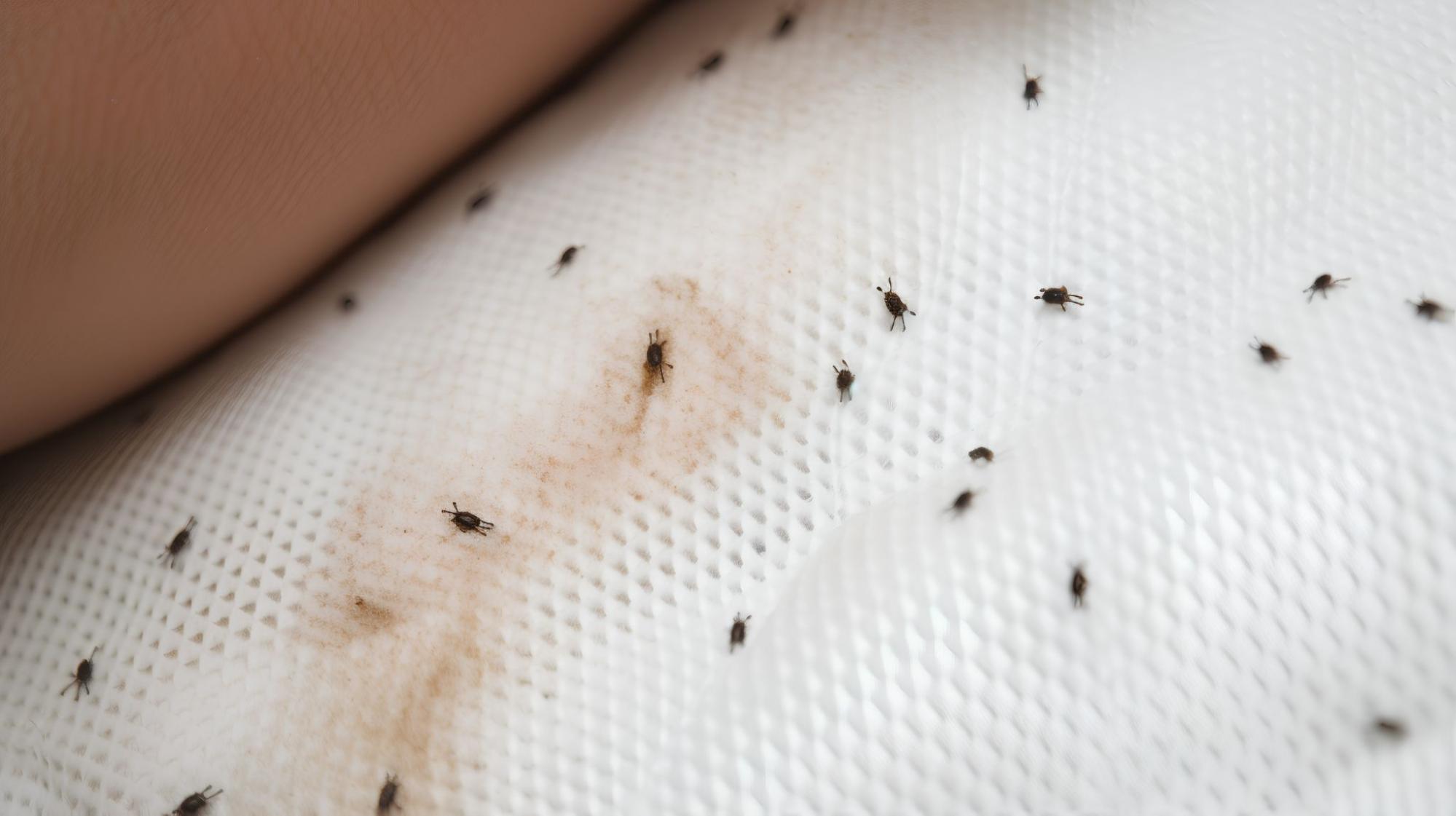
  • Dark spots the size of a pen tip on mattresses, box springs, and furniture (fecal stains)
  • Shed skins and tiny white eggs in mattress seams, furniture cracks, and behind headboards

Live Bed Bugs:

  • Adults measure about a quarter inch long, roughly the size of an apple seed
  • Appear flat and reddish-brown before feeding, becoming elongated and darker after

Check mattress seams, box spring corners, bed frame joints, and upholstered furniture edges. Nighttime inspection with a flashlight often reveals active bugs (they’re primarily nocturnal feeders)

Severe Infestation Indicator:

  • Distinct musty-sweet odor from scent glands in large populations

Don’t wait to confirm every sign before calling for help. Finding one or two bugs requires immediate professional inspection. A single fertilized female can produce 200 to 500 eggs in her lifetime. What starts small becomes a whole-home infestation within weeks.

Professional Bed Bug Inspection Process

Professional inspection forms the foundation of successful treatment. Licensed technicians follow a systematic process to locate all hiding spots and determine severity.

The inspection begins with consultation. You’ll describe when you first noticed signs, where you’ve seen activity, and recent travel or secondhand furniture purchases. This helps technicians focus on high-risk areas.

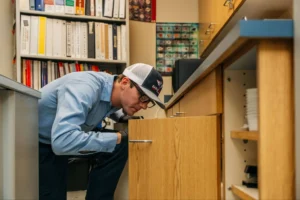
Visual inspection comes next. Trained professionals examine every potential hiding spot. Mattress seams, box spring fabric, bed frame joints, headboard attachments, nightstands, dressers, upholstered furniture, baseboards, electrical outlets, picture frames, and wallpaper edges all receive scrutiny. Bed bugs hide anywhere within 20 feet of where people sleep.

For difficult cases or large properties, some services offer K-9 detection. Specially trained dogs detect live bed bugs and viable eggs with up to 98% accuracy. This helps locate hidden infestations in walls, floors, or inaccessible areas.

After inspection, your technician documents findings and develops a customized treatment plan, including the recommended method, preparation requirements, timeline, and cost.

Bed Bug Treatment Methods

Bed Bug Heat Treatment

How It Works:

  • Raises temperature in affected areas to 120 to 135 degrees Fahrenheit for several hours
  • Kills bed bugs at every life stage, including eggs that resist chemical treatments
  • Takes six to eight hours for whole-home treatment
  • Specialized heaters and fans circulate hot air throughout the space
  • Technicians monitor temperatures in wall voids, furniture, and hiding spots

Advantages:

  • Completely chemical-free (ideal for families with young children, pets, or chemical sensitivities)
  • Delivers results in a single treatment
  • Near 100% elimination rates
  • Same-day return once temperatures normalize

Considerations:

  • Higher upfront cost than chemical treatment
  • Requires temporary relocation during treatment
  • Must remove heat-sensitive items (medications, aerosols, certain electronics)
  • Best for whole-home infestations or situations requiring fast resolution

Chemical Treatment

How It Works:

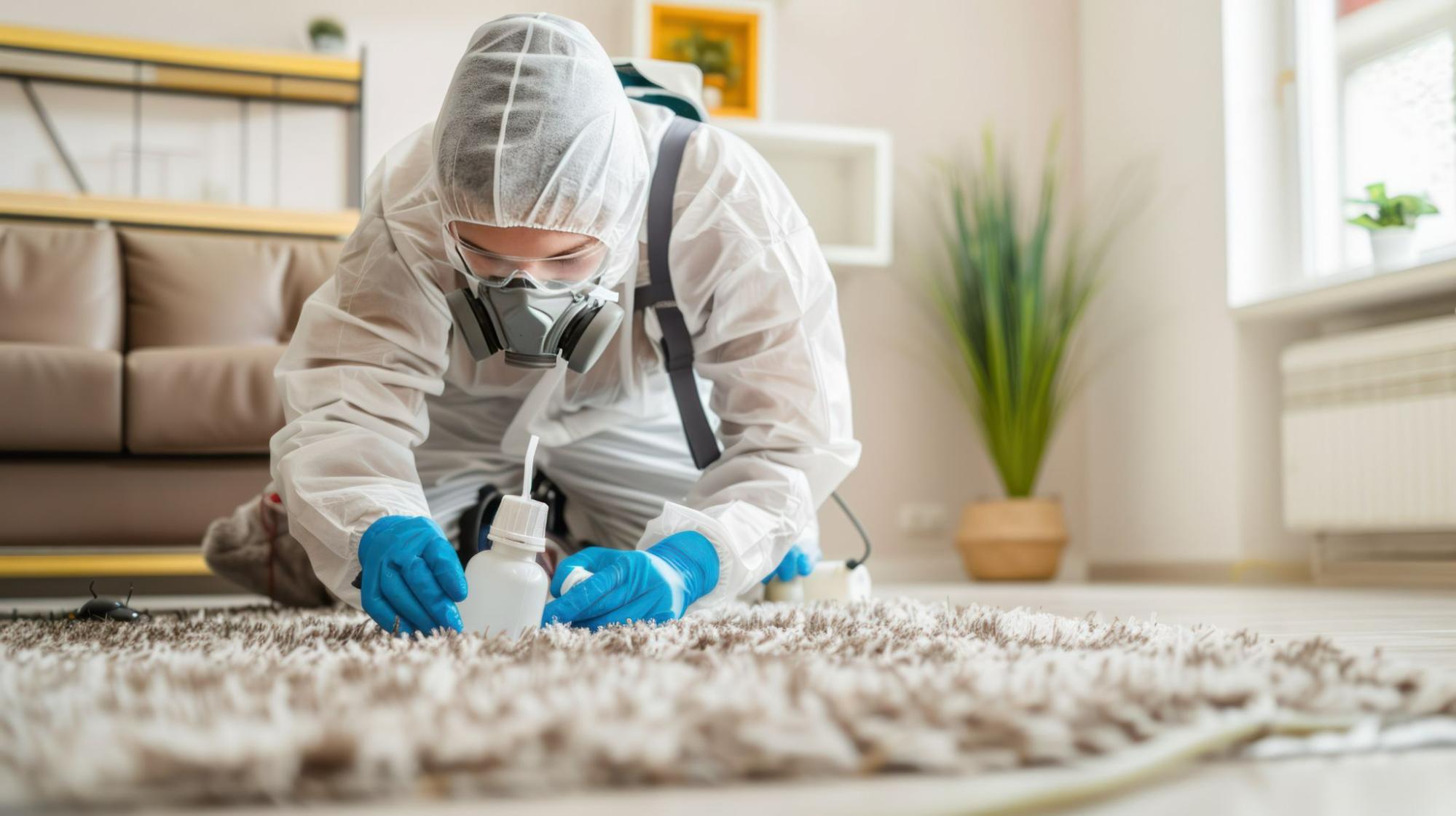
  • Uses EPA-registered pesticides applied by licensed professionals
  • Combines multiple product types to overcome pesticide resistance:
    • Pyrethroids kill adult bugs on contact
    • Desiccants destroy protective waxy coating, causing dehydration
    • Growth regulators prevent immature bugs from reaching reproductive maturity
  • Applied directly to harborage areas, cracks, crevices, and pathways
  • Requires multiple treatments spaced two to three weeks apart
  • Targets newly hatched nymphs that survived as eggs

Timeline:

  • Complete elimination typically takes four to six weeks
  • Requires two to three treatment visits

Advantages:

  • Lower upfront cost than heat treatment
  • Works well for isolated infestations
  • Good option when budget constraints exist

Considerations:

  • Requires patience (longer timeline)
  • Must vacate treated areas for several hours after each application
  • Strict preparation guidelines must be followed
  • Success depends on homeowner cooperation
  • Missed preparations or skipped follow-up treatments allow surviving bugs to rebuild
  • Achieves 85 to 95% success rates with thorough preparation and consistent follow-through

image1 1

Combination Approaches

When to Use:

  • Severe infestations benefit from combination strategies
  • Heat treatment eliminates the majority quickly
  • Followed by targeted chemical applications to prevent survivors from re-establishing

Customization:

  • Professional services customize treatment plans based on:
    • Infestation severity
    • Home layout
    • Budget
    • Family circumstances

Bed Bug Heat Treatment

How It Works:

  • Raises temperature in affected areas to 120 to 135 degrees Fahrenheit for several hours
  • Kills bed bugs at every life stage, including eggs that resist chemical treatments
  • Takes six to eight hours for whole-home treatment
  • Specialized heaters and fans circulate hot air throughout the space
  • Technicians monitor temperatures in wall voids, furniture, and hiding spots

Advantages:

  • Completely chemical-free (ideal for families with young children, pets, or chemical sensitivities)
  • Delivers results in a single treatment
  • Near 100% elimination rates
  • Same-day return once temperatures normalize

Considerations:

  • Higher upfront cost than chemical treatment
  • Requires temporary relocation during treatment
  • Must remove heat-sensitive items (medications, aerosols, certain electronics)
  • Best for whole-home infestations or situations requiring fast resolution

Chemical Treatment

How It Works:

  • Uses EPA-registered pesticides applied by licensed professionals
  • Combines multiple product types to overcome pesticide resistance:
    • Pyrethroids kill adult bugs on contact
    • Desiccants destroy protective waxy coating, causing dehydration
    • Growth regulators prevent immature bugs from reaching reproductive maturity
  • Applied directly to harborage areas, cracks, crevices, and pathways
  • Requires multiple treatments spaced two to three weeks apart
  • Targets newly hatched nymphs that survived as eggs

Timeline:

  • Complete elimination typically takes four to six weeks
  • Requires two to three treatment visits

Advantages:

  • Lower upfront cost than heat treatment
  • Works well for isolated infestations
  • Good option when budget constraints exist

Considerations:

  • Requires patience (longer timeline)
  • Must vacate treated areas for several hours after each application
  • Strict preparation guidelines must be followed
  • Success depends on homeowner cooperation
  • Missed preparations or skipped follow-up treatments allow surviving bugs to rebuild
  • Achieves 85 to 95% success rates with thorough preparation and consistent follow-through

Combination Approaches

When to Use:

  • Severe infestations benefit from combination strategies
  • Heat treatment eliminates the majority quickly
  • Followed by targeted chemical applications to prevent survivors from re-establishing

Customization:

  • Professional services customize treatment plans based on:
    • Infestation severity
    • Home layout
    • Budget
    • Family circumstances

Treatment Method Comparison

FactorHeat TreatmentChemical TreatmentCombination Approach
TimelineSame day (6-8 hours)4-6 weeks1-3 weeks
Number of Visits1 treatment + 1 follow-up inspection2-3 treatments + follow-up1-2 treatments + follow-up
Success Rate97-100%85-95%95-100%
Cost Range$2,000 – $4,000$500 – $1,500 per visit ($1,000 – $4,500 total)$2,500 – $5,000
Chemical UseNoneEPA-registered pesticidesMinimal (targeted only)
Evacuation Time6-10 hours2-4 hours per treatmentVaries
Preparation RequiredRemove heat-sensitive itemsExtensive laundry and room prepBoth heat and chemical prep
Best ForWhole-home infestations, chemical sensitivities, fast resolution neededIsolated infestations, single rooms, budget constraintsSevere infestations, multi-room spread
Return TimeSame daySame day after each treatmentSame day
Follow-up NeededSingle inspection (2-3 weeks)Multiple treatments required1-2 inspections

How to Prepare Your Home for Bed Bug Treatment

Proper preparation determines treatment success.

Laundry Protocol

Wash all bedding, sheets, pillowcases, blankets, and mattress covers in the hottest water the fabric can tolerate. Include clothing from closets and dressers in affected rooms. Include curtains, throw pillows, and fabric items near sleeping areas.

Dry everything on high heat for at least 30 minutes. Immediately place clean items in sealed plastic bags or bins. Keep them sealed until after treatment.

Items that cannot be washed can be treated with heat. Place stuffed animals, shoes, and delicate items in a dryer on high heat for 30 minutes. Alternatively, seal them in black plastic bags and leave them in a hot car or direct sunlight for several hours.

Room Preparation

Clear floors completely. Remove toys, clothing, boxes, and clutter that prevent access to baseboards and floor edges.

Pull all furniture away from walls by at least two feet. Dismantle bed frames if possible. Many infestations concentrate in bed frame joints and corners.

Remove items that could be damaged by heat. Take medications, aerosol cans, fire extinguishers, houseplants, pets, and temperature-sensitive electronics out of treatment areas.

Leave closet doors, dresser drawers, and cabinet doors open. Don’t move infested furniture to other rooms. This spreads the infestation.

During Treatment

For heat treatment, you’ll need to leave home for six to ten hours. Chemical treatments require staying out for two to four hours after application. Follow your technician’s specific instructions. Keep pets away until treated areas are completely dry.

Post-Treatment Protocol

Don’t unpack stored items or replace bedding immediately. Wait for your technician’s clearance. Avoid deep cleaning for at least two weeks after chemical treatment unless your provider specifies otherwise.

Watch for signs of remaining activity. Finding one or two dead bugs in the days following treatment is normal. Finding live bugs or new bites one to two weeks after treatment requires immediate follow-up.

How Long Does Bed Bug Elimination Take

Heat treatment delivers same-day results, as bed bugs die within minutes at lethal temperatures, with most professionals recommending a follow-up inspection two to three weeks later to confirm success.

Chemical bed bug extermination requires four to six weeks with two to three treatments spaced appropriately. Timeline depends on several factors, including infestation severity, home preparation quality, clutter levels, and whether you live in a multi-unit building. “Bed bug free” means no live bugs, no viable eggs, and no new signs of activity for at least 30 days after treatment completion.

DIY vs Professional Bed Bug Control

DIY attempts rarely achieve complete bed bug elimination. Store-bought pesticide sprays kill bugs on contact but don’t reach hidden populations. Bug bombs and foggers deposit pesticide on exposed surfaces but fail to reach cracks and crevices where bed bugs actually live.

Many bed bug populations have developed resistance to pyrethroids, the active ingredient in most consumer products. Spraying resistant bugs causes them to scatter to new hiding spots, spreading the infestation. Incomplete treatment allows survivors to quickly rebuild populations.

Failed DIY attempts add up quickly. Homeowners often spend $200 to $500 on products that don’t work before calling professionals. During this time, the infestation grows.

Improper pesticide use creates health risks. Overuse in sleeping areas exposes your family to unnecessary chemicals. Mixing different products can create dangerous reactions.

For bed bugs, professional help is necessary. These pests require specialized knowledge, commercial equipment, and professional products to eliminate completely.

Protecting Your Home and Peace of Mind

Discovering bed bugs creates stress. These insects invade your most personal space and disrupt the safety and comfort you should feel in your bedroom. Effective bed bug pest control services eliminate these invaders completely when treatments are performed by licensed professionals and homeowners follow proper protocols.

At EagleShield Pest Control, we’ve helped California families eliminate these pests and reclaim their peace of mind. We offer both heat and chemical treatment options, customized to your situation and budget. We provide clear preparation instructions, thorough treatment, and follow-up visits to ensure complete elimination. Our PestShield365™ guarantee means we stand behind our work long-term.

Call us today at 866-693-2006 to schedule your inspection and get a reply same-day. Our licensed technicians are ready to help you sleep peacefully again. We’re not done until your home is completely bed bug free.
FAQs About Bed Bug Pest Control Service

Yes. Licensed professional exterminators successfully eliminate bed bugs when treatments are performed properly. Heat treatment achieves 97 to 100% success rates. Chemical treatments succeed 85 to 95% of the time when homeowners follow all preparation requirements and complete scheduled follow-up visits.
Professional bed bug removal in California typically costs between $1,000 and $2,500 for an average home with moderate infestation. Heat treatment ranges from $2,000 to $4,000 for whole-home service but eliminates bugs in a single day. Chemical treatment costs $500 to $1,500 per visit but requires two to three treatments. Total costs depend on home size, infestation severity, treatment method, and number of affected rooms.
For heat treatment, you must leave home for six to ten hours since temperatures reach 120 to 135 degrees Fahrenheit. For chemical treatment, California regulations typically require evacuation for two to four hours after application. Your technician will provide specific re-entry timing based on products used and areas treated. Never re-enter treated areas before your pest control provider confirms it’s safe. Pets should also be kept away from treated areas until complete drying occurs.
Complete elimination is confirmed through multiple indicators. You should have no live bug sightings during visual inspections of mattresses, furniture, and baseboards. New bite patterns should cease completely within one week of final treatment. No new fecal spots, shed skins, or eggs should appear in previously infested areas. Finding one or two dead bugs immediately following treatment is normal, but live bugs appearing more than two weeks after heat treatment or after the second chemical treatment indicate the need for follow-up. Most professionals confirm elimination through a final inspection 30 days after treatment completion.
Unlike mosquitoes and ticks, bed bugs are not known to transmit diseases to humans. Medical research has not established any confirmed cases of disease transmission from bed bug bites. However, they create health concerns. Bites cause itching that can lead to scratching and secondary skin infections. Some people experience allergic reactions ranging from mild irritation to severe reactions requiring medical attention. The psychological impact of infestations also affects health. Many people experience anxiety, insomnia, and stress from living with bed bugs.
Bed bugs spread through human travel and movement of infested items. Common sources include luggage, second-hand furniture, and clothing from hotels, shared laundry facilities, public transportation, or neighboring apartments.
Properly performed professional treatment eliminates existing bed bug populations permanently. However, new bed bugs can be introduced after successful treatment through travel, visitors, or infested items. Most professional services include guarantees covering retreatment if bed bugs return within 30 to 90 days, provided you followed all preparation and prevention protocols.
In most cases, no. Professional bed bug treatment effectively eliminates bed bugs from mattresses and furniture without requiring disposal. Only severely infested items with structural damage, inaccessible construction, or extremely valuable pieces where any treatment risk is unacceptable may need disposal.
Contact a licensed pest control professional immediately for inspection and treatment scheduling. While waiting for your appointment, isolate infested bedding in sealed plastic bags, wash and dry on high heat, reduce clutter in affected rooms, and continue sleeping in your bed to avoid spreading bugs to new locations. Avoid using pesticide sprays or foggers, which cause bed bugs to scatter, and document the infestation with photos of bugs, bites, and fecal stains.