4.9 Star Rating 250+ Reviews
4.9 Star Rating 250+ Reviews
Cockroaches are a serious food safety risk and are linked to around 30% of urban restaurant inspection failures. They can quickly lead to health violations, damage your reputation, and even force closure if not dealt with early.
Food handlers are often the first to notice subtle warning signs during everyday tasks, making them a crucial early-warning defense for any food business. When staff understand what to look for, they can identify issues long before they become major infestations.
This guide explains the main signs of cockroach activity in restaurants, what food workers might notice on shift, the eight key warning indicators, and simple control measures.
To spot a cockroach problem early, food handlers need to know what to look for during daily work. Here are eight warning signs they are likely to notice first.
Cockroaches are most active at night. Seeing live or dead roaches during service hours usually means there are a lot of them, and the infestation is already well established.
Small dark specks or pellets, like ground coffee or coarse black pepper, may appear along walls, in corners, on shelves, or inside cupboards. These are often cockroach droppings, not dirt, and should always be reported.
Reddish-brown, oval cases about the size of a small bean can often be found behind equipment, under sinks, between appliances and walls, or in boxes. Even a single egg case should be treated as a serious warning sign.
Brown streaks or smears along walls, near floors, around pipes, and on or behind equipment can be left by cockroaches as they move. These marks often appear in damp areas and show regular travel routes.
Translucent, light brown “shells” or skins found behind shelves, under appliances, or inside equipment are signs that cockroaches are growing and breeding on site. Any shed skins should be reported straight away.
A noticeable stale, musty, or oily smell in store rooms, under-sink cupboards, or behind fridges can indicate a heavy cockroach presence. If more than one staff member comments on a strange smell in the same area, it needs checking.
Small bites or tears on cardboard, chewed corners, tiny holes in paper or plastic, and damaged lids or seals can all point to cockroach activity. Any food with damaged packaging should be discarded and reported.
Fine dark dust along skirting boards, specks on stored items, or stains and debris that reappear soon after cleaning may be linked to cockroaches. If the same area looks dirty again quickly, it could be a sign of ongoing infestation.
| Sign | Description | Location | Often Misidentified As |
| Droppings | Dark pellets, 1-2mm | Counters, floors, corners | Coffee grounds, spices, dirt |
| Egg Casings | Oval, reddish-brown, bean-sized | Under sinks, behind equipment | Food debris, wood chips |
| Odor | Musty, oily smell | Storage areas, enclosed spaces | Spoiled food, grease |
| Daytime Sightings | Live roaches during hours | Kitchen, prep areas | Isolated incident |
| Smear Marks | Brown, streaky stains | Walls, equipment edges | Grease spatter, water stains |
| Shed Skins | Translucent exoskeletons | Behind equipment | Food packaging, paper |
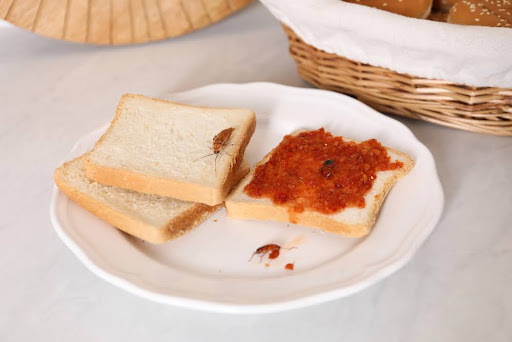
Food workers are often the first to spot warnings, such as dark droppings, musty smells, or roaches running for cover when the lights come on. These early signs should be reported straight away.
Morning setup
Check behind and under fridges, freezers, ovens, and shelving for droppings, shed skins, egg cases, or live roaches.
Food storage access
When taking ingredients from cupboards, fridges, or dry storage, look at the corners, edges, and shelves for droppings, eggshells, or damaged packaging.
Drains and sink areas
Keep an eye on floor drains, under-sink cupboards, and around pipework. Roaches are attracted to moisture and often gather here.
Behind the cooking equipment
During cleaning around ovens, grills, fryers, and hot-holding units, check for warm, hidden gaps behind and beneath the equipment.
Closing checks
Do a final walk-through with all lights fully on. Roaches often start to come out as the kitchen quietens down, so this is a good time to spot movement.
Cockroaches can spread harmful germs such as Salmonella and E. coli, increasing the risk of food poisoning if they contaminate food, utensils, or preparation surfaces. They also produce allergens that can trigger asthma and other allergic reactions, especially from their droppings, shed skins, and body parts.
Catching signs early allows action to be taken before contamination spreads, before customers see evidence of pests, and before the business faces serious hygiene breaches or enforcement action.
To get rid of cockroaches, you need to clean properly, block entry points, use the right treatments, and keep checking for signs of activity. Here’s a simple step-by-step process food businesses can follow.
Clean behind and under all equipment to remove grease and food scraps. Fix dripping taps and leaks, improve drainage, and wipe away condensation. Empty bins often, keep bin and dumpster areas clean, and store all food in sealed containers. Wipe down surfaces properly after every service.
Seal cracks in walls and floors. Fit door sweeps on external doors. Check where pipes, cables, and vents enter the building and seal around them. Inside, fill gaps around plumbing, behind equipment, and along skirting boards so roaches have fewer places to hide.
Professional pest control is usually much more effective than DIY sprays. Gel baits attract cockroaches to eat poison that they then spread to others in the nest. Technicians can use targeted products that control numbers without contaminating food or preparation areas.
Place glue traps along walls, in corners, and near likely hiding spots. Check them at least once a week to see if activity is going up or down. Keep records of where roaches are found, what treatment was used, and when. Staff should continue daily visual checks between pest control visits.
Use a licensed pest control company that understands food business standards and hygiene rules. Regular visits (for example, every quarter or more often if needed), combined with good cleaning and maintenance, give the best long-term protection.
Make sure every team member knows how their actions affect pest control. Train staff on correct food storage, cleaning routines, and early signs of cockroaches. Put clear rules in place for:
Never leave full rubbish bags or open food waste in the kitchen or back areas overnight.
To manage the risks of cockroaches in a restaurant, you need to understand the health, legal, and regulatory consequences they bring. Here’s what every food business should know.
When a customer finds a cockroach in their food, they may bring a negligence claim against your establishment. Restaurants have a clear duty to provide safe, hygienic food and premises. While successful lawsuits typically require demonstrable physical injury or illness, settlements can range from $50,000 to over $150,000, depending on the severity of harm, with more severe cases resulting in substantially higher compensation.
If inspectors record breaches during their visit, this documentation can significantly strengthen any legal case against your establishment. The best protection is strong prevention measures and a fast, professional response to any incident.
Cockroach activity in a food business breaks food safety laws and local health regulations. Research suggests that approximately 70% of diners avoid restaurants with health code violations, showing how quickly reputation and revenue can be damaged.
To reduce risk, keep strict cleaning routines, act fast on any warning signs, carry out regular in-house checks, and work with a professional pest control provider to spot and fix issues before an official inspection.
If a customer reports a cockroach, apologize clearly, remove the food, and offer a replacement or full refund straight away. Record the incident with photos, note the time and location, inform your pest control provider, and arrange an urgent inspection if needed.
Explain the steps you are taking to fix the problem and prevent it from happening again. Stay calm and avoid arguing, as taking the complaint seriously helps protect both your reputation and your legal position.
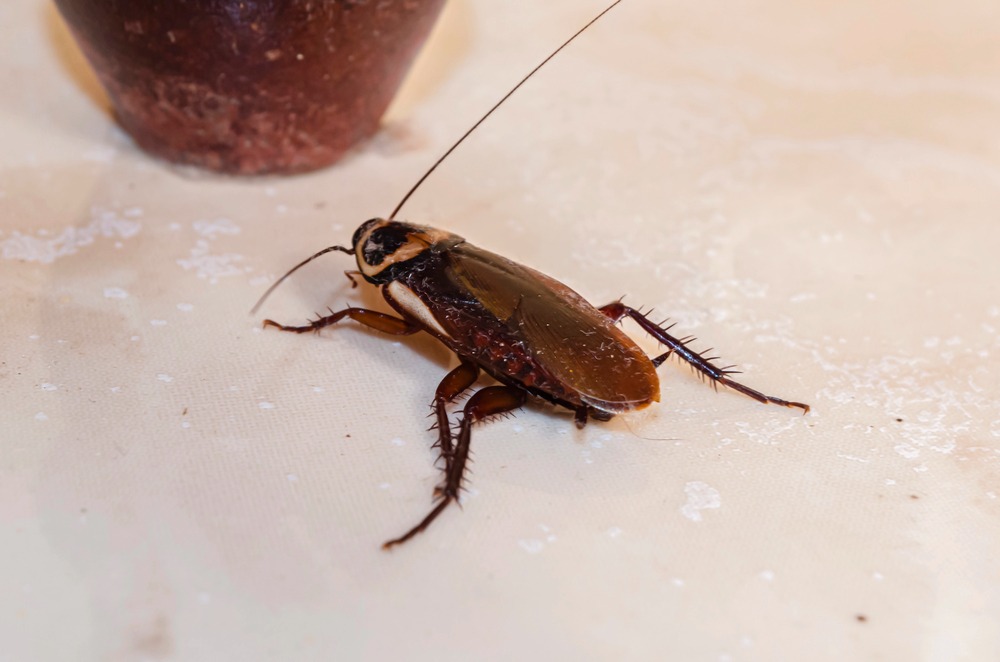
Cockroaches in a restaurant threaten food safety, harm your reputation, and can lead to costly closures. With early detection, regular cleaning, and the right control measures, you can stop infestations and reduce the risk of them returning.
At EagleShield Pest Control, we can help you protect your business. We provide professional pest management services for restaurants, such as cockroach, rodent, and general pest control. Our licensed technicians know the pest pressures across the Central Valley and how to protect your establishment with minimal disruption.
Call us today at 866-693-2006 for a same-day response, or reach out to discuss a customized program that keeps your restaurant protected year-round.
Key signs include live or dead roaches during the day, dark droppings that look like coffee grounds along walls and in corners, and a strong, musty smell in storage or hidden areas. Other warning signs are egg cases, smear marks, and shed skins. These are not minor issues and should be reported and investigated straight away.
Food handlers often notice small dark droppings on shelves or worktops, musty smells when opening cupboards or stores, or roaches running for cover when lights are switched on. These early signs should always be reported immediately.
You need a mix of professional pest control and strong hygiene. Technicians can use targeted treatments such as gel baits and monitoring traps, while the restaurant team deep cleans, seals gaps, stores food correctly, and manages waste properly. Ongoing control is essential, not a one-off visit.
One roach on its own may not automatically lead to a formal violation, but it is still a serious warning. Multiple sightings or clear signs of infestation are a clear breach of food hygiene rules. What matters most is how quickly and thoroughly you respond.
If there is an active infestation, the business can be ordered to close until the problem is under control. In some cases, minor issues caught early can be managed while the restaurant remains open, provided effective measures are taken at once and inspectors are satisfied.
At a minimum, most restaurants should have professional pest control visits every quarter, with monthly visits recommended for higher-risk sites. A good program includes planned inspections, treatments, monitoring, and fast call-outs between visits to prevent problems before they affect customers or inspections.