
4.9 Star Rating 250+ Reviews

4.9 Star Rating 250+ Reviews
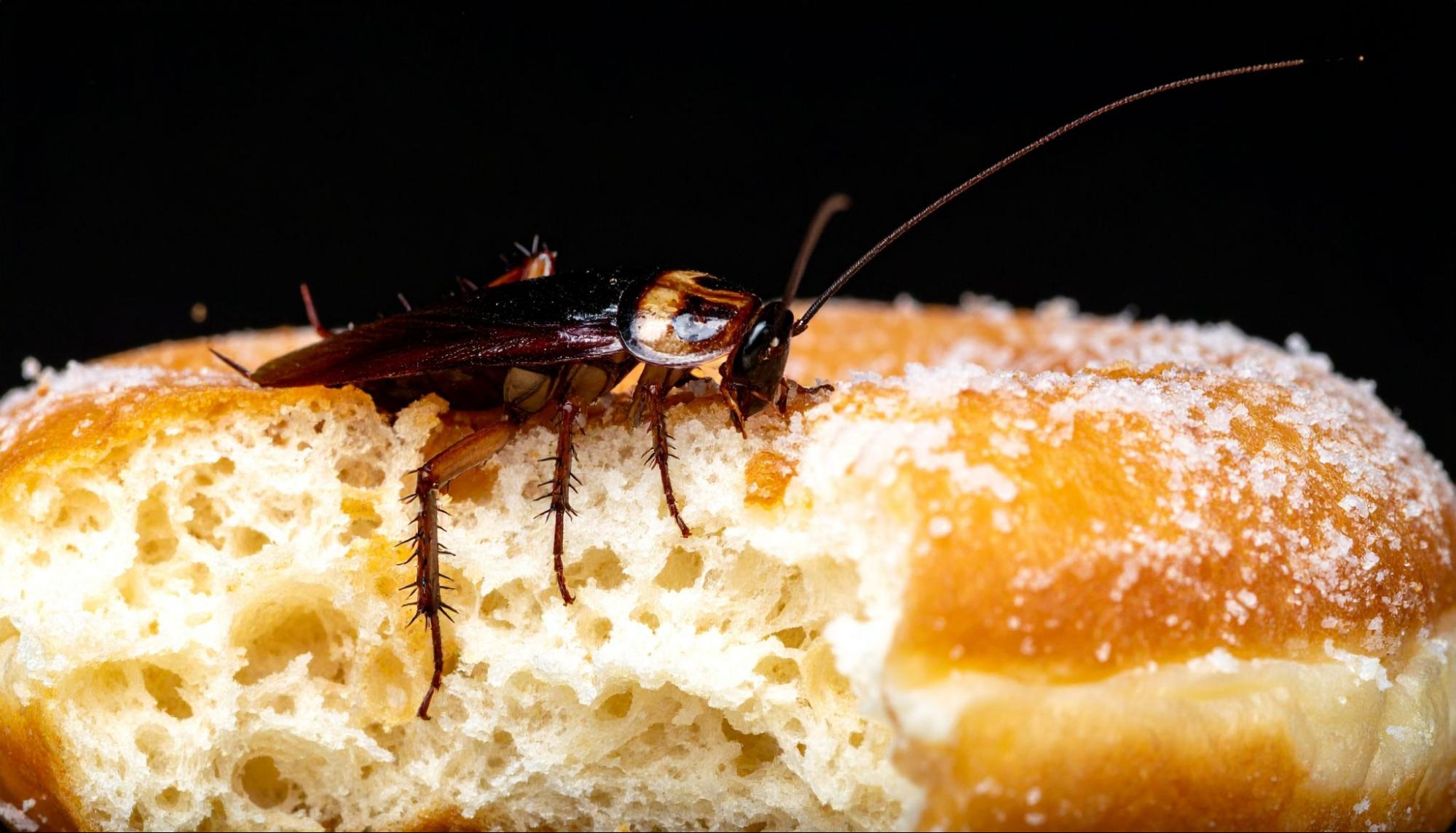
In California’s competitive restaurant scene, a single pest sighting carries serious consequences. Recent industry surveys reveal that more than half of diners expect a discount if they spot even one pest during their meal. Eighty-one percent of customers will never return after finding a pest on their food, and 76 percent walk away permanently after seeing multiple pests anywhere in your facility.
That’s why effective restaurant pest management is not an option if you want to keep your business. In this guide, we’ll walk through the most common pests targeting California restaurants, and why infestations happen. You’ll also learn prevention practices to keep your kitchen compliant, protected, and inspection-ready all year long.
Restaurant pest control is a specialized approach to preventing and eliminating pests in commercial food service environments. Unlike residential pest management, it addresses the unique challenges kitchens face. Constant food preparation, high traffic, and strict health regulations create both greater pest attraction and higher stakes for control.
Professional services combine regular inspections, targeted treatments, and preventative measures designed specifically for food handling areas. We focus on identifying why pests are present, eliminating entry points, and creating conditions where infestations cannot return.
In California, restaurant pest control must comply with the California Retail Food Code and emphasize Integrated Pest Management (IPM). This approach prioritizes non-chemical solutions first. Chemical treatments serve as a last resort and must be applied by licensed professionals. Effective pest control maintains health department compliance, safeguards your reputation, and protects against violations that lead to fines or worse, closures.
Pests only need food and shelter to propagate, and restaurants offer both in abundance. Overlooked crumbs, grease splatter, or residue in floor drains provide food. Hiding spots behind appliances, inside wall voids, and within stacked storage offer perfect breeding grounds. Steam, condensation, and water create the humid conditions cockroaches and rodents need to thrive.
It’s natural to feel overwhelmed by how many factors create risk. The good news? Understanding which pests are most common in California restaurants helps you recognize threats early and respond before they escalate.
Rodents (Rats and Mice)
Rodents can squeeze through openings the size of a quarter, gnaw through packaging, and contaminate food with droppings. In California’s urban centers and agricultural regions, both roof rats and house mice are persistent threats. Rodents also chew through electrical wiring, which is a serious fire hazard.
Cockroaches
Few pests cause as much alarm as roaches. As they thrive in warm, damp areas, California is a safe haven. These pests spread bacteria like Salmonella and E. coli and trigger immediate health code violations if discovered during inspections.
Flies
Drain flies, fruit flies, and houseflies are all common in commercial kitchens. They lay eggs in decaying organic matter and are known carriers of pathogens. Fly activity often signals deeper sanitation issues, such as buildup inside drains or gaps in waste management protocols.
Ants
Ants invade kitchens searching for sugar, oil, and moisture. Once they establish trails, they’re difficult to remove without addressing both the colony and its food source. In California, Argentine ants are particularly persistent. For restaurants, ant activity near prep areas quickly escalates to contamination concerns.
Stored-Product Pests
Beetles and moths infest dry goods such as grains, flour, pasta, and nuts. They’re typically introduced through infested deliveries and can ruin inventory and your budget if undetected.
Other InvadersSpiders, gnats, and additional fly species, often follow moisture and food waste. While they may not directly contaminate food, their presence signals sanitation or structural issues that attract larger, more destructive pests.
Pests are opportunists. They’ll take advantage of even the smallest weakness in your defenses. Here’s how they find their way in:
A strong pest management plan depends on consistent daily habits and structured prevention. These expert-backed strategies help California restaurant teams stay ahead of pests and maintain the comfortable, safe environment your customers expect.
Clean all kitchen, prep, and dining areas daily—floors, counters, drains, and especially behind equipment. Even small traces of grease or crumbs can sustain a pest population. Pay extra attention to hidden zones like under refrigerators, behind stoves, and inside drains where food debris and moisture collect.
Keep all ingredients in sealed, pest-proof containers, stored at least six inches off the floor and away from walls. Apply the FIFO (First In, First Out) rule so older inventory is used first, reducing spoilage and the risk of stored-product pests. Regularly check dry storage and refrigeration for spills or expired goods that could attract unwanted guests.
Inspect your building for cracks, gaps, and openings around doors, vents, and utility lines. Seal vulnerabilities with durable materials like steel mesh or commercial-grade caulk. Install door sweeps, weather stripping, and window screens to block entry for both crawling and flying insects.
Trash and waste are pest magnets, plain and simple. Use bins with tight-fitting lids and empty them frequently to prevent odors and buildup. Keep dumpsters away from doors and ventilation systems, and wash bins regularly to remove residue. In California’s warm climate, outdoor waste management is just as important as indoor sanitation.

Your staff are the first line of defense in pest prevention. Train them to recognize pest signs and to report sightings immediately. When everyone on your team understands the importance of vigilance and follows proper protocols, consistency keeps infestations from taking hold.
Partner with a licensed pest control provider experienced in restaurant environments and California’s unique pest challenges. Regular inspections catch early activity before it becomes an outbreak. Ensure your provider uses Integrated Pest Management (IPM). This approach protects both your customers and California’s environment.
Keep up with ongoing facility maintenance to close off potential entry routes. Repair broken tiles, damaged seals, leaking pipes, and gaps around plumbing or ventilation.
Use traps, monitors, or digital tracking tools to keep tabs on pest activity between professional visits. If you spot early signs—droppings, grease marks, or live sightings—act immediately. Fast response prevents small issues from escalating into full infestations that threaten your operations and reputation.
One of the most common questions restaurant owners ask is about cost, and it’s a fair concern when managing tight margins.
In California, professional restaurant pest control services typically range from $100 to $300 per visit. This depends on your facility’s size, the severity of any issues, and treatment frequency. Larger restaurants or those requiring monthly monitoring may benefit from quarterly programs that provide consistent coverage and peace of mind. While it’s an ongoing expense, it’s far less costly than product loss, health code fines, or temporary closures due to infestation.
Yes—absolutely. Most health departments classify cockroach activity as an imminent health hazard. A single confirmed infestation can lead to immediate closure until professional treatment and a follow-up re-inspection confirm the problem has been fully resolved.
In California, repeated violations or visible pest evidence can result in heavy fines or permanent revocation of food permits. That’s why maintaining detailed pest control records and partnering with licensed professionals keeps you prepared for any inspection and protects everything you’ve built.
In the food service industry, pest prevention is protection—for your customers, your team, and the reputation you’ve worked hard to establish. At EagleShield Pest Control, we’ve been serving California restaurants since our founding in Fresno, and we understand the unique pest challenges you face in our region.
Our PestShield365™ guarantee means if pests dare to return between scheduled visits, so do we—at no added cost. We’re not done until your kitchen is pest-free and inspection-ready.
Ready to protect your restaurant with a proven defense strategy? Call us today at 866-693-2006 or reach out online to get a reply same-day. Our licensed, trained professionals are primed and ready to help you maintain the clean, safe environment your customers deserve.