4.9 Star Rating 250+ Reviews

4.9 Star Rating 250+ Reviews
Raccoons around your home are more than a nuisance. They pull apart roofs and vents, raid pet food and bins, and leave droppings that can spread disease to people and pets.
If you are hearing movement in the attic, seeing greasy marks near openings, or finding the bin scattered most mornings, it is time to look at raccoon pest control. Acting early limits damage, cuts cleanup costs, and reduces health risks.
This guide explains how professional raccoon removal works in 2025, which home remedies can help, how to prevent new infestations, and what typical services cost.
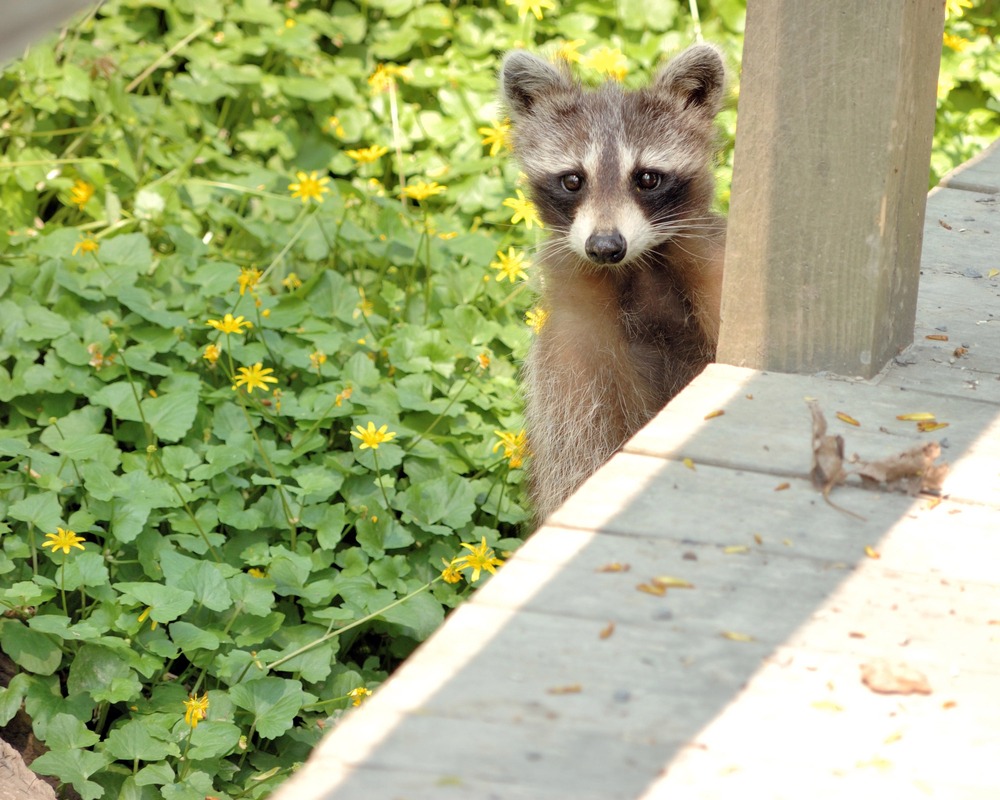
Raccoons enter homes through weak spots in roofs, chimneys, and crawl spaces by lifting shingles and tearing fascia boards to create gaps. You can spot their presence by the black face mask, ringed tail, and stocky 10- to 30 pound body. Other signs include droppings about 2 to 3 inches long with seeds or berries, greasy marks around entry points, and scratching or thumping sounds at night.
They can carry rabies and raccoon roundworm, so their droppings and nesting areas are a health risk for people and pets. In California, they are active all year, with spring the highest risk as females use attics for birthing dens.
Professional pest control does more than just set a trap. It combines inspection, trapping, repairs, and prevention to remove raccoons and stop them from coming back.
Technicians inspect roof lines, chimneys, vents, and nearby trees to find entry points and nesting spots and to check for young raccoons. From there, they set a clear removal plan and use humane solutions while following local rules for handling and relocating wildlife.
Once the animals are removed, they seal entry points with mesh, fit chimney caps, and reinforce weak areas to block reentry. With our PestShield365 guarantee, if raccoons return between scheduled visits, we come back at no extra cost, which gives more reliable protection than one-off DIY efforts.
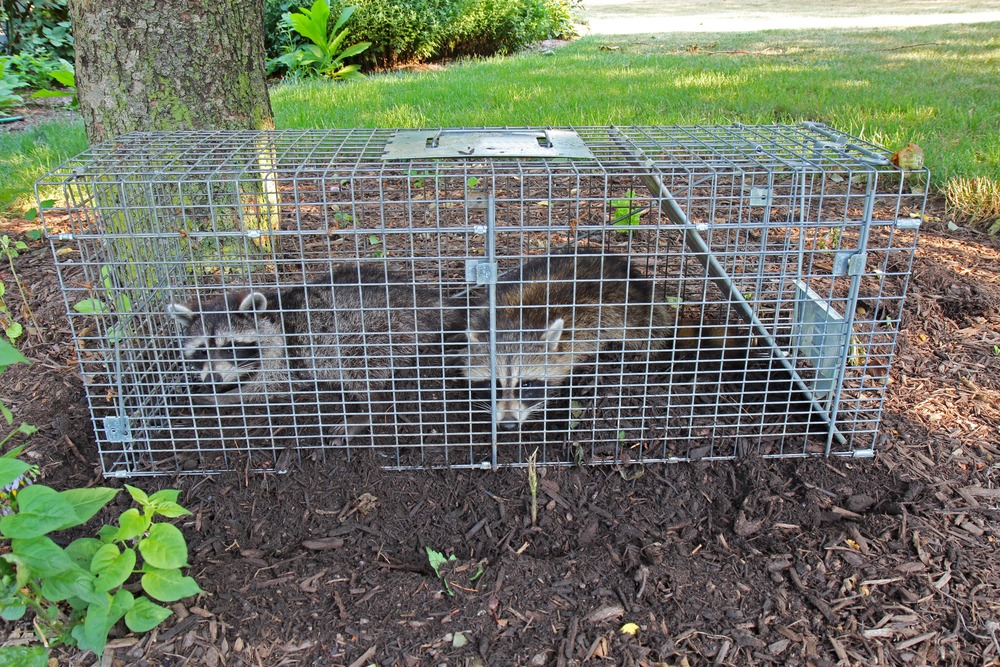
Professional-grade cage traps (32 inches long) provide adequate space without causing injury. Strategic placement along travel routes identified by tracks and droppings ensures success.
Common bait choices include:
For attic invasions, one-way doors allow raccoons to exit but prevent re-entry. This method works once professionals confirm no juveniles remain inside.
From February to June, breeding season checks are critical. Technicians look for nests so they do not separate mothers and young, and they follow California rules on relocation and permits where required.
Removing raccoons is only half the job. If you do not seal entry points, new animals can move in through the same gaps.
Essential exclusion steps:
Install 19-gauge or thicker wire mesh and bury it about 6 inches below ground around foundations, decks, and sheds. This blocks raccoons from digging underneath and getting back in.
Replace standard vent covers with reinforced steel mesh. Fix the mesh with screws instead of clips so it cannot be pushed out.
Seal roof-to-wall junctions, soffits, and fascia boards with metal flashing and pest-rated expanding foam. Pay close attention to any gaps near cables, pipes, or previous repairs.
Cut back branches within 6 feet of your home or overhanging roofs. This removes easy climbing routes to your roof and upper walls.
Install wildlife-rated chimney caps with small mesh openings. These stop raccoons from entering while still allowing smoke and air to vent properly.
Replace worn weather stripping and fit door guards that seal firmly against the concrete floor. Even small gaps along the bottom edge can let raccoons squeeze inside.
Use galvanized steel, heavy-duty mesh, and UV-resistant sealant, and check vents, roofs, and fences each year to catch small gaps early.
Raccoons rarely give up because of one annoyance. Using several simple deterrents together makes your property more trouble than it is worth.
Effective deterrents include:
Motion-activated floodlights interrupt their nighttime activity and push them towards darker yards. Aim lights at entry routes, rubbish areas, and garden beds.
Ammonia-soaked rags near known den sites can make raccoons move on. Replace them often, especially after rain.
Sudden bursts of water teach raccoons that your garden or bin area is not a comfortable spot. They work best to protect specific zones like vegetable beds or outdoor rubbish enclosures.
Secure rubbish bins, bring pet food inside before dusk, latch compost bins, and clear fallen fruit so raccoons have less to eat around your home.
To remove raccoons permanently, you must get rid of the animals, seal every entry point, and remove food and shelter. That is hard to do properly with DIY efforts alone.
DIY raccoon removal often fails because homeowners lack proper tools and experience, can miss hidden young, and may leave gaps that let new animals back in. It also risks breaking local wildlife rules in California and increases exposure to disease from droppings and urine.
Professionals carry out a full inspection, repair damage, seal entry points, and safely handle droppings, insulation, and wiring in one visit. With a PestShield365™ warranty, follow-up visits are covered if raccoons return.
Good cage traps often cost over $100 and quality exclusion materials add hundreds more. If a DIY attempt fails and you still need a professional, you can end up paying twice, while experts often finish in a day instead of weeks.
These approaches work best as preventive measures or temporary solutions while arranging professional services.
Motion lights and radios
Use motion-activated lights near entry points, bins, and gardens, and place a small battery radio on a talk station in attics or crawl spaces to suggest human activity.
Peppermint oil
Mix 10-15 drops with water in a spray bottle. Apply around entry points and near garbage. Reapply every few days.
Predator urine
Bobcat and coyote urine products create danger signals. Most effective in suburban settings with active predators.
Trash security
Use bungee cords or ratchet straps to secure lids. Store bins in garages until collection day. Clean regularly with diluted bleach.
Bird feeder elevation
Place feeders on 5-foot poles with cone-shaped baffles. Clean spilled seed promptly.
Garden fencing
Combine buried hardware cloth, 4-foot vertical fencing, and angled top sections that lean outward.
No safe, legal poisons exist for raccoon control. Lethal methods create more problems than they solve.
Why poison fails:
Other unsafe methods include shooting in built-up areas, using drowning traps, and removing adults during breeding season so young are left to die inside the home.
It is far better to use humane trapping, proper sealing, and prevention, which give lasting results without legal, safety, or cruelty issues.
Raccoon removal costs in 2025 usually sit in a few clear ranges. Yard removal for a single animal with easy access is often about $150 to $300, while attic jobs that include inspection, trapping, and basic sealing can range from $200 to $600 per raccoon. Exclusion work to seal gaps and fit mesh or caps typically adds $200 to $1,000, and chimney removal with a wildlife-rated cap often falls around $900 to $1,200.
On top of this, you may pay $500 to $2,000 for insulation clean-up and replacement and $200 to $1,000 or more for wiring or structural repairs, especially with larger infestations. Urban locations, long travel distances, and after-hours callouts all increase costs. Get written quotes from at least two providers and check which services, materials, warranties, and follow-up visits are included.
Raccoons can tear roofing, foul insulation, and spread disease, so waiting only lets the damage grow. Effective control needs careful inspection, safe removal and solid sealing to stop new animals moving in.
Professional treatment works because licensed technicians find every entry point, remove raccoons humanely, clean and disinfect nesting areas, and install long-lasting exclusion materials. This approach deals with the current problem and reduces the chance of future infestations.
At EagleShield Pest Control, we have protected California homes from raccoons and other wildlife for years. Our team provides targeted raccoon and wildlife removal, rodent control and termite treatment, all backed by proven methods and our PestShield365™ guarantee, which covers return visits if pests come back between scheduled services.
Call us today to learn more about wildlife removal and set up a tailored plan for your property.