4.9 Star Rating 250+ Reviews
4.9 Star Rating 250+ Reviews
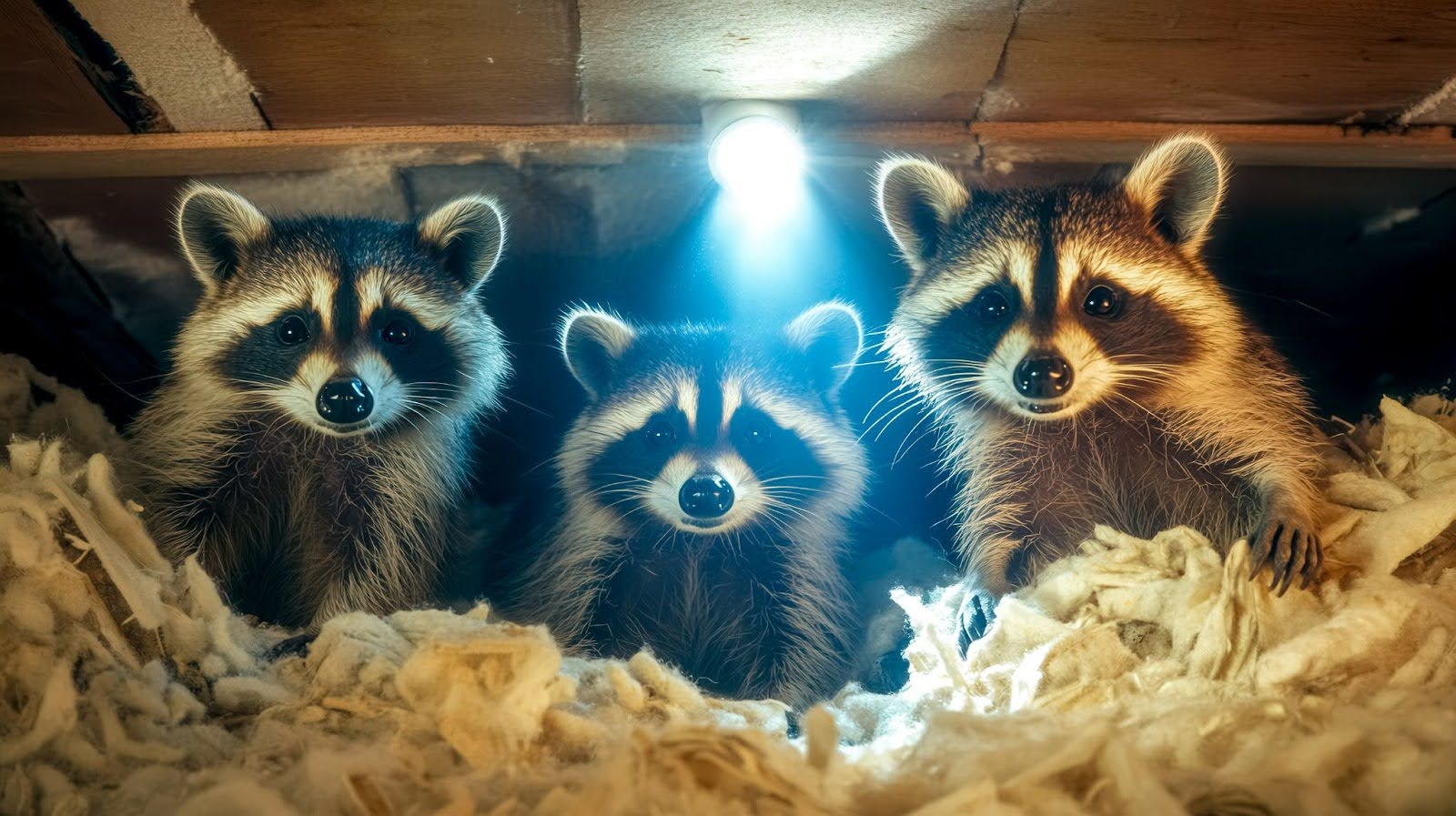
Strange scratching sounds echo through your ceiling at night. You discover raccoons tipping over trash cans and tearing through garbage. Wildlife intrusions aren’t just unsettling. They pose genuine health risks through disease transmission and parasites, cause expensive property damage, and create distressing living conditions for your family.
As California’s suburban areas expand into traditional wildlife habitats, these human-animal conflicts grow more common. Understanding professional wildlife removal services helps you address these challenges safely, legally, and humanely.
California’s diverse ecosystems bring various wildlife species into contact with residential areas.
Wildlife removal differs fundamentally from standard pest control. California wildlife laws protect many species, require humane treatment, mandate specific removal methods, and restrict relocation without proper permits. Professional wildlife exclusion services navigate these legal requirements while protecting your home and family.
Effective wildlife control requires expertise in animal behavior, knowledge of regulations, and comprehensive solutions that prevent recurrence. Here’s how professional services handle wildlife intrusions safely and permanently.
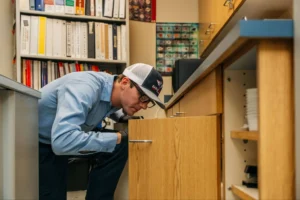
Our licensed technicians conduct a comprehensive property assessment to identify the invading species, locate all entry points, inspect structural damage, and check for nesting sites with potential offspring.
This thorough evaluation is critical because removing a mother animal while dependent young remain creates ethical concerns and practical problems, including trapped offspring that die and cause odor issues. We also assess health hazards from droppings, urine, nesting materials, and parasites that wildlife introduces into your home.
California’s regulations require proper species identification before removal, as methods legal for raccoons may be prohibited for bats. Our expertise ensures full compliance with state wildlife laws while delivering effective, humane results that protect both your property and local wildlife populations.
We employ species-appropriate humane wildlife trapping methods that prioritize animal welfare while solving your problem. For some situations, we install one-way exclusion devices that allow animals to exit but prevent re-entry, encouraging them to relocate naturally. When necessary, we use live trapping systems designed for specific species.
Breeding seasons, when young are present, require different approaches. California law prohibits certain removal methods during maternity periods for bats and other protected species. Our knowledge of wildlife biology ensures we work within these constraints.
Removal without exclusion guarantees that new wildlife will occupy the vacancy you’ve created. We seal all entry points with materials animals cannot chew through or tear apart. We install chimney caps, vent covers, and specialized exclusion devices. We also reinforce vulnerable areas where wildlife commonly gains access and secure potential attractants, like accessible trash and food sources.
Professional wildlife exclusion services provide lasting solutions. We understand how different species access structures and what materials withstand their attempts to re-enter. This expertise separates effective exclusion from temporary fixes that fail within weeks.
Wildlife leaves behind more than memories. We remove contaminated insulation and nesting materials and clean and sanitize affected areas. We eliminate disease risks, deodorize spaces where waste accumulated, and repair structural damage from chewing and tearing.
Depending on the extent of the intrusion, restoration may involve replacing significant insulation, repairing electrical wiring, or reconstructing damaged structural elements. We restore your home to safe, healthy conditions while implementing prevention strategies that discourage future wildlife interest.
Ongoing monitoring ensures exclusion work succeeded. Our PestShield365™ coverage can include periodic inspections to verify that seals remain intact and no new access points have developed.
Wildlife removal services combine biological knowledge, legal compliance, humane treatment, and construction skills to solve intrusions completely. Our understanding of California’s unique wildlife challenges and regulatory environment ensures safe, effective, lasting results.
Need help with wildlife intrusion? Call us today at 866-693-2006 or get a reply the same day. Our licensed technicians stand ready to restore your home’s safety and your family’s peace of mind through expert, humane wildlife control.