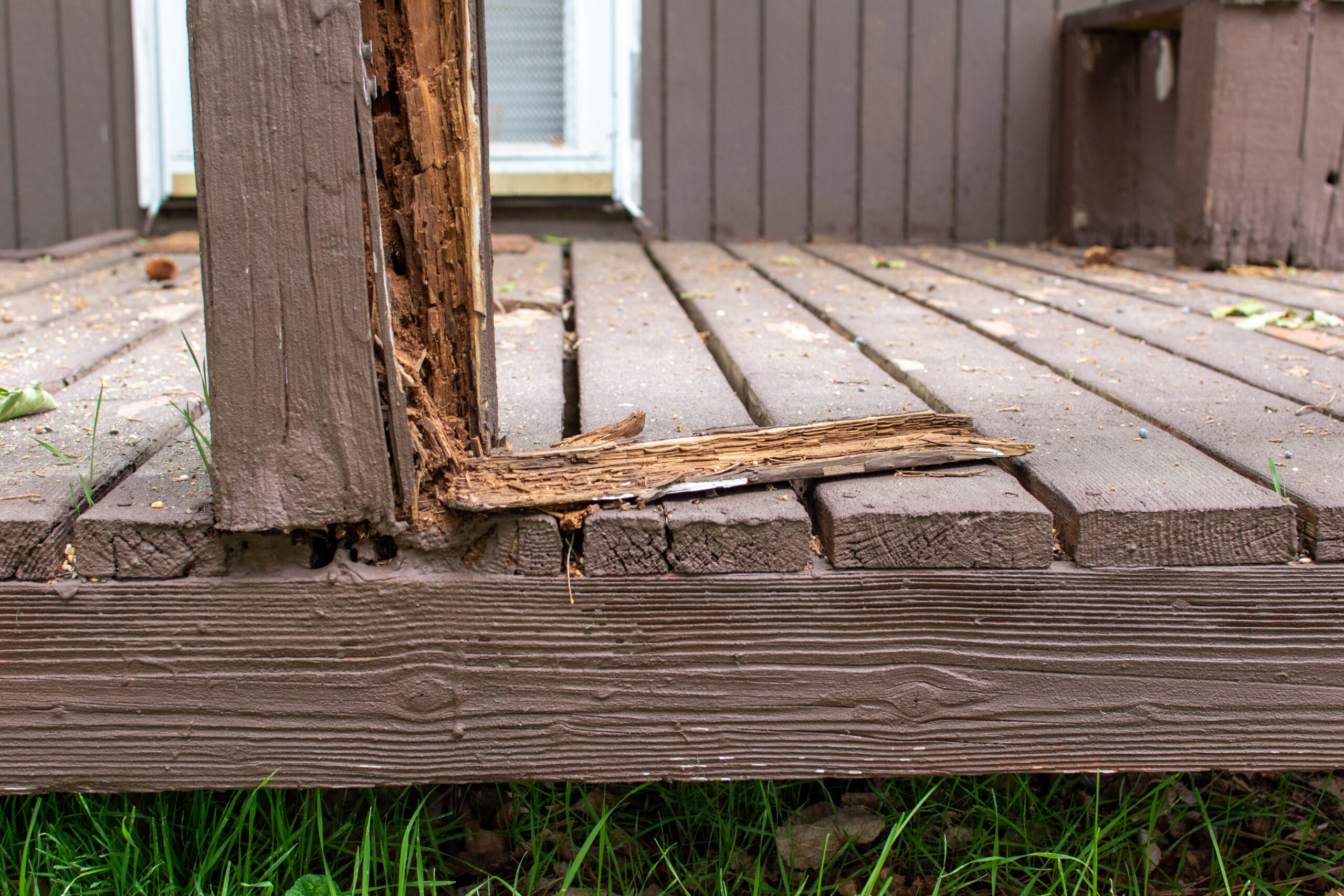
Your yard does more than shape your home’s appearance—it plays a major role in whether termites are drawn to your property. In California, where warm climates and dry spells are common, landscaping decisions have a direct impact on termite activity. Moisture levels, plant choices, and even mulch placement can either invite or deter termites from settling near your foundation. With the right planning, your outdoor space can double as a powerful barrier against these costly pests.
How Certain Plants Attract Termites
While many plants add beauty and value to your landscape, some can quietly increase your risk of infestation. Moisture-retaining plants, especially those with dense root systems or thick foliage, tend to trap humidity and organic debris—conditions termites find ideal. When these plants are placed too close to your home, they may provide a convenient bridge between your yard and your foundation. Vines and sprawling shrubs, in particular, can conceal termite tunnels and increase contact between wood and soil, creating hidden entry points that often go unnoticed.
In addition, trees and bushes that regularly shed leaves or bark add to the layer of organic matter termites feed on. Without regular cleanup, this debris forms a buffet line for termites while raising soil moisture levels—two major factors that accelerate termite activity.
Termite-Resistant Plant Options for California Yards
The good news is that not all greenery is a welcome mat for termites. Some California-native or climate-appropriate plants naturally resist pests and require less water and maintenance, which further reduces moisture levels near your home. Choosing plants that deter pests is one of the easiest ways to create a hostile environment for termites without sacrificing curb appeal.
Mulch: How to Use It Without Feeding Termites
Mulch is a staple in most residential landscaping—but not all mulch is created equal when it comes to termite prevention. Organic mulch, such as pine bark or shredded hardwood, provides both food and shelter for termites. When applied too close to a home’s foundation, it can become a launching pad for infestations.
Instead, choose mulch materials that are less appealing to termites, such as gravel or rubber alternatives. Cedar mulch is another option, as its natural oils tend to deter insects. Apply mulch in thin layers—no more than 2–3 inches deep—and maintain a 12-inch buffer between mulch and your foundation. This small shift in your landscaping routine can have a big impact on moisture control and pest resistance.
Irrigation and Drainage: Managing Water to Keep Termites Away
Overwatering is one of the most common—and avoidable—mistakes homeowners make when it comes to termite prevention. Termites are moisture-seeking pests, so any excess water near your foundation increases your home’s risk. Poor drainage, leaking hoses, and sprinkler systems positioned too close to the structure can all lead to elevated moisture levels in the soil.
To protect your home, adjust your irrigation schedule based on weather patterns and seasonal rainfall. Make sure sprinklers are pointed away from the foundation, and repair leaks or clogs in your irrigation system promptly. If possible, use drip irrigation methods that deliver water directly to plant roots without saturating the surrounding soil. Additionally, check that your yard is properly graded to encourage water to flow away from your home. These steps go a long way in making your property less appealing to termites.
California Plants That Help Repel Termites
If you’re looking for termite-resistant plants to include in your landscaping, here are a few options that perform well in California’s climate while also offering some natural pest-deterring properties:
Lavender: Its oils repel termites and other insects while adding a pleasant scent to your yard.
Marigolds: These hardy, colorful flowers deter many soil-based pests, including termites.
Mint and catnip: Known for their strong aromas that repel insects.
Eucalyptus: Contains compounds that naturally repel a variety of pests.
Lemongrass: High in citronella, which termites dislike.
Your Landscape Can Be Your First Line of Defense
Your landscaping should be more than just beautiful—it should be strategic. The way you arrange your garden beds, water your lawn, and choose your mulch can either help termites thrive or push them away. A proactive approach using termite-resistant plants, smart irrigation techniques, and the right mulch choices can significantly reduce your home’s exposure to these destructive pests.
But landscaping alone may not be enough. Even the most well-planned yards can still harbor hidden threats. That’s why we recommend scheduling a free termite inspection that includes a professional landscaping assessment. Our team at EagleShield Pest Control knows exactly what to look for and can help you identify potential vulnerabilities before they become costly infestations.
Explore our termite control solutions, or contact us today for your free inspection and peace of mind.