4.9 Star Rating 250+ Reviews

4.9 Star Rating 250+ Reviews
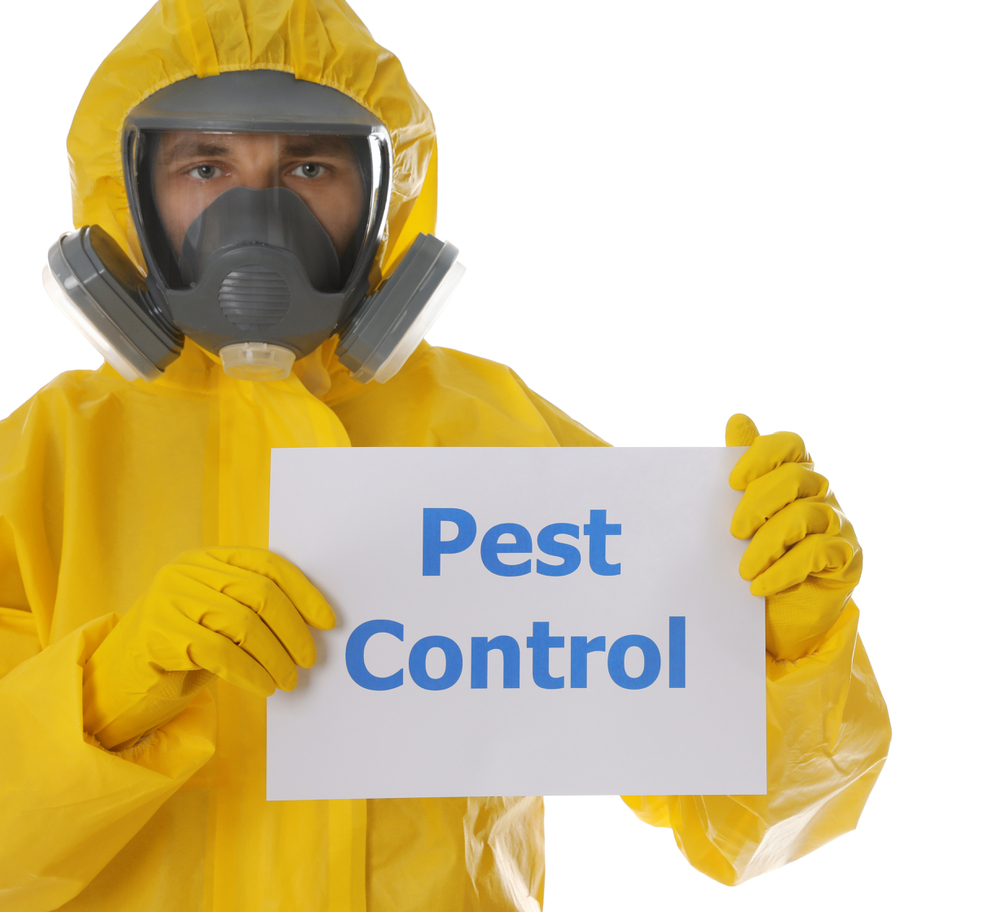
Ants marching across your kitchen counters. Spiders tucked into corners. The faint sound of something scratching behind your walls at night. If any of this feels familiar, you are not alone, and you are probably asking the same question most homeowners do: what is pest control, exactly?
It is a simple question, but the answer matters more than most people realize. Pest control is not just about getting rid of what you see. It is about protecting your home, your health, and your peace of mind from problems that can quickly grow if left unchecked.
At EagleShield Pest Control, we believe an informed homeowner is a protected homeowner. Before you schedule a service or choose a provider, here is everything you need to know about pest control, how it works, and why it is essential for long-term protection.
Pest control is the process of identifying, managing, and eliminating unwanted organisms such as insects, rodents, and other wildlife that threaten the health, safety, or structure of your home or business. More than a single treatment, modern pest control is a proactive, ongoing strategy built around prevention as much as elimination.
In short: pest control is not just about getting rid of the pests you can see. It is about understanding why they are there and making sure they do not come back.
Effective pest control follows a proven, step-by-step process designed to do more than just eliminate pests. It identifies the root cause, treats the problem, and puts long-term protection in place. A licensed professional does not simply spray and leave. Every visit is strategic, targeted, and tailored to your specific situation.
The process begins with a thorough inspection of your property. A trained technician identifies the type of pest present, locates entry points and nesting areas, and evaluates conditions that may be attracting them, such as excess moisture, accessible food sources, or structural gaps.
Accurate identification is critical. Different pests require different strategies. Treating a German cockroach the same way as a field mouse is ineffective and can make the problem worse. Knowing exactly what you are dealing with determines the right approach from the start.
Based on the findings, a customized treatment plan is implemented. This may include:
Licensed professionals use treatments that are effective against pests while remaining safe for your family, pets, and the surrounding environment.
This is where true pest control stands apart from a temporary fix. Ongoing monitoring, follow-up visits, and preventive treatments stop pests from returning. Instead of reacting to infestations, the goal is to stay ahead of them.
A pest control service is a professional program designed to protect your home or business from pest activity on a consistent, ongoing basis. Unlike a one-time call, a service plan accounts for the fact that pests are seasonal, persistent, and remarkably resourceful.
A full-service program typically includes a detailed initial inspection and baseline treatment, scheduled follow-up visits timed to seasonal pest cycles, targeted treatments for specific pest concerns, exterior barrier applications to prevent entry, interior spot treatments for active problem areas, monitoring for new activity between visits, and guaranteed re-treatment if pests return.
When you partner with a pest control company rather than calling for a one-time spray, you are investing in sustained protection, not a temporary fix.
A pest control treatment is the specific method or combination of methods used to eliminate and prevent pest activity during a service visit. It is not a one-size-fits-all approach. Every treatment is carefully selected based on the type of pest, the severity of the infestation, and the environment being treated.
These treatments use carefully formulated products applied in precise areas such as baseboards, entry points, and pest harboring zones. Modern solutions are designed to be highly effective while minimizing exposure to your family, pets, and the environment.
Baits use attractants placed in areas of activity. Pests consume the bait and carry it back to their colony, creating a ripple effect that eliminates the source of the infestation. This method is especially effective for ants, cockroaches, and rodents.
Exclusion focuses on keeping pests out in the first place. Technicians seal cracks, gaps, and openings around pipes, foundations, doors, and windows. Even the most effective treatment will fall short if pests can easily re-enter your home.
These are proactive applications designed to create a protective barrier around your home. Instead of reacting to an infestation, preventive treatments stop problems before they start and help maintain long-term protection.
The most effective pest control treatments follow an Integrated Pest Management (IPM) approach. This means combining multiple strategies, reducing unnecessary chemical use, and addressing the root cause of the problem, not just the visible symptoms.
This is one of the most common questions homeowners ask, and for good reason. Knowing what is included helps you understand the level of protection you are getting.
A comprehensive pest control service typically targets the most common household pests, including
Many providers also offer coverage for more complex or seasonal pests such as mosquitoes, bed bugs, and termites. These often require specialized treatment plans due to their behavior, hiding habits, and potential for property damage.
Coverage can vary depending on your location, the time of year, and the specific pest pressures in your area. For example, regions with warmer climates often experience year-round pest activity, which makes ongoing service more effective than one-time treatments.
The most reliable pest control programs are designed around local conditions, targeting the pests most likely to invade your home and adjusting treatments as seasons and pest patterns change.
Some pests are far more persistent than others, but termites and bed bugs are widely considered the most difficult to eliminate.
Both are experts at staying hidden. Termites work silently inside walls and wooden structures, often causing significant damage before they are ever detected. Bed bugs, on the other hand, hide in tiny crevices such as mattress seams, furniture joints, and baseboards, making them incredibly difficult to locate and fully remove.
They also reproduce quickly. A small, unnoticed population can grow into a full infestation in a short amount of time, which makes early detection and proper treatment critical.
Because of their behavior and resilience, eliminating termites or bed bugs typically requires professional expertise, specialized treatment methods, and ongoing monitoring to ensure the problem is completely resolved and does not return.
These terms are often used interchangeably, but they reflect two very different approaches. Understanding the difference can help you choose a solution that actually lasts.
An exterminator focuses on immediate elimination. The approach is reactive: there is a visible problem, and the goal is to remove it as quickly as possible, often through chemical treatments.
While this can provide fast relief, it typically addresses the symptoms rather than the root cause. As a result, pests are more likely to return over time.
Pest control takes a broader, more strategic approach. It goes beyond eliminating current pests by identifying how and why they entered in the first place.
This includes sealing entry points, removing attractants, and implementing preventive measures to stop future infestations before they start.
Pest control professionals are trained and licensed to use targeted, responsible methods that prioritize long-term results while maintaining safety for your family, pets, and the environment.
In simple terms, an exterminator handles the immediate problem, while pest control focuses on solving the problem and preventing it from coming back.
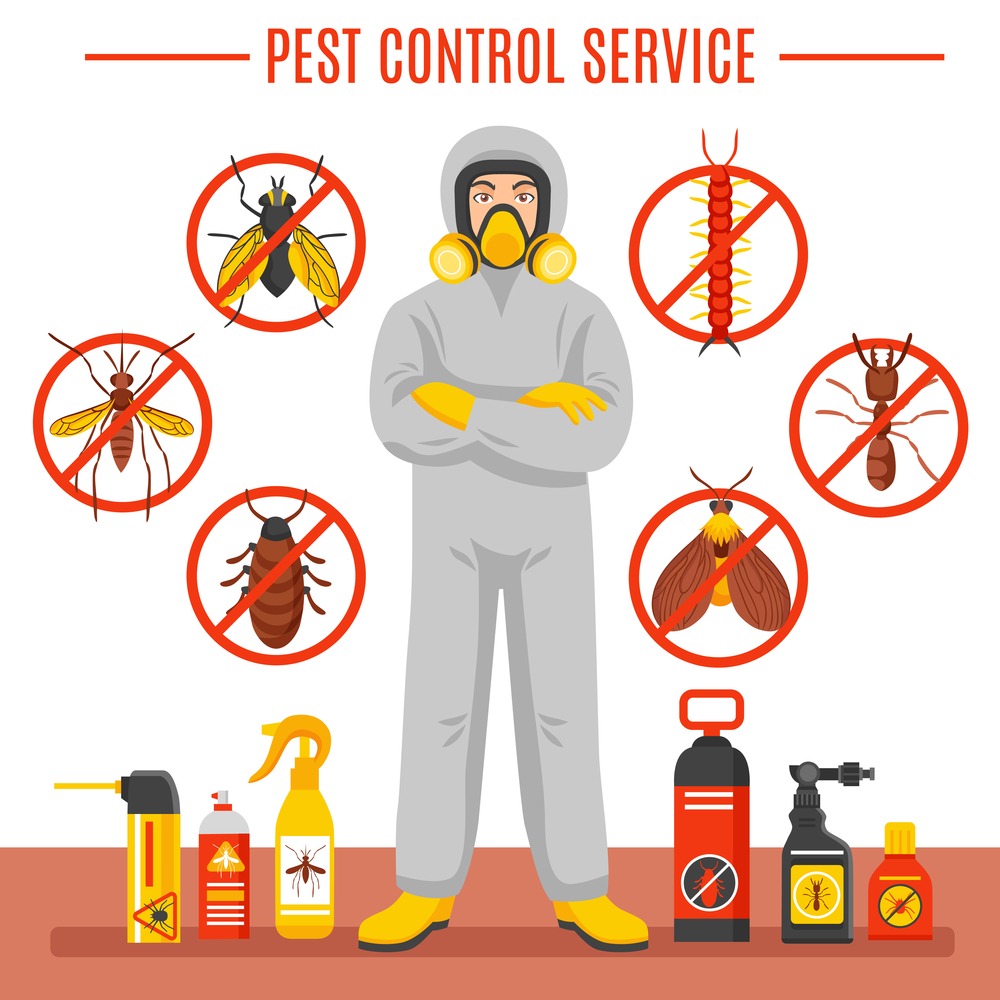
While often used interchangeably, pest control and pest management are not exactly the same. The difference comes down to approach, strategy, and long-term effectiveness.
Traditional pest control focuses on eliminating active infestations. The approach is often centered on applying treatments to remove pests quickly and restore immediate comfort.
While effective in the short term, this method may not always address the underlying conditions that allowed pests to enter and thrive in the first place.
Pest management, especially Integrated Pest Management (IPM), takes a more comprehensive and science-based approach.
IPM looks at the full picture, including:
Instead of relying heavily on chemicals, IPM prioritizes targeted, low-impact solutions. Treatments are used strategically, while prevention, monitoring, and habitat modification are built into the plan from the start.
The main difference is simple. Pest control focuses on eliminating pests. Pest management focuses on understanding, controlling, and preventing them in a sustainable way.
Modern pest control at its best is built on pest management principles, combining effective treatments with long-term prevention for results that last.
California’s climate creates the perfect conditions for pests to thrive. Warm temperatures, dry summers, and mild winters allow many species to stay active year-round instead of dying off or slowing down during colder months.
In regions like the Central Valley, homeowners regularly deal with ants, spiders, rodents, earwigs, and termites across every season. What may start as a minor issue can quickly grow into a larger infestation if left untreated.
Unlike colder parts of the country, there is no true “off-season” for pests in California. Continuous activity means homes are always at risk, making one-time treatments far less effective.
Pest behavior is heavily influenced by the local environment. Soil type, weather patterns, and surrounding landscapes all play a role in how and when pests invade your home. Solutions that work in other regions do not always translate to California’s unique conditions.
Because pest pressure never fully disappears, consistent, year-round pest control is not just a convenience. It is a practical way to protect your home, prevent costly damage, and avoid recurring infestations.
By now, you understand that pest control is not just about eliminating what you see. It is about protecting your home from what you do not see yet. The difference between a temporary fix and lasting protection comes down to strategy, consistency, and choosing the right professionals.
Pests do not wait, and in California’s climate, they do not take seasons off. The sooner you take action, the easier it is to prevent small issues from turning into costly problems.
EagleShield Pest Control provides year-round protection built on local expertise, eco-conscious treatments, and a commitment to doing the job right the first time. With our PestShield365™ guarantee, your home stays protected, and if pests return, so do we at no additional cost.
Do not wait until pests take over your space. Take control today. Call 866-693-2006 or contact us online to schedule your inspection and get a same-day response.
Pest control is the process of identifying, managing, and preventing pests such as insects and rodents from invading your home or business.
Pest control works through a step-by-step process that includes inspection, pest identification, targeted treatment, and ongoing prevention to stop infestations from returning.
A pest control service is an ongoing program that provides regular inspections, treatments, and monitoring to protect your property from pests year-round.
A pest control treatment is a specific method used to eliminate or prevent pests, such as targeted applications, baiting systems, exclusion techniques, or preventive barrier treatments.
Most pest control services cover common household pests like ants, spiders, cockroaches, and rodents. Some plans also include termites, bed bugs, and mosquitoes through specialized treatments.
Termites and bed bugs are among the hardest pests to eliminate because they hide well, reproduce quickly, and require specialized treatment and ongoing monitoring.