
4.9 Star Rating 250+ Reviews

4.9 Star Rating 250+ Reviews
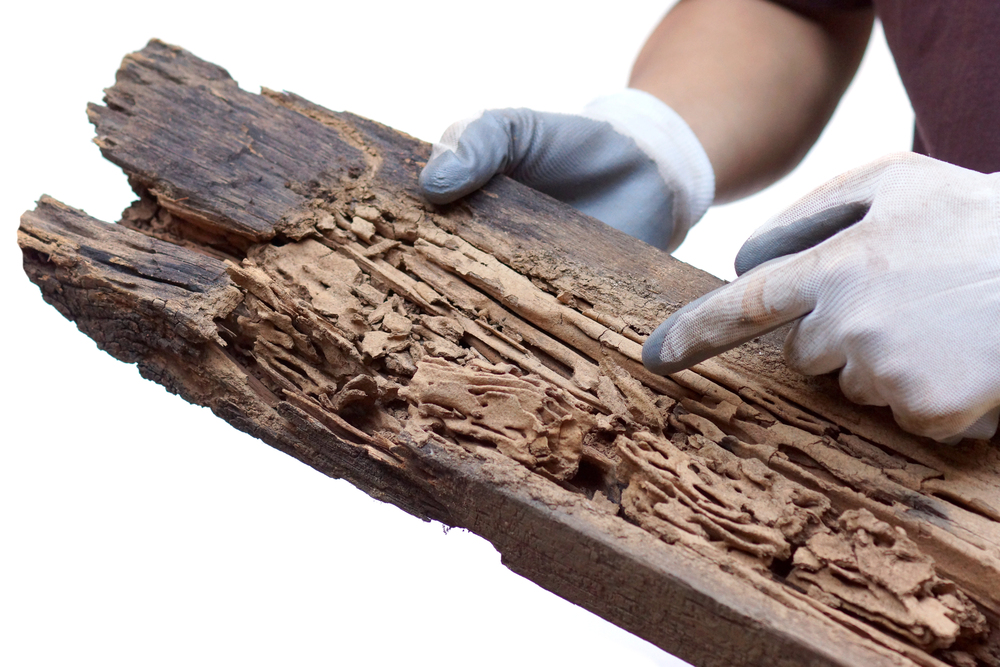
California homeowners face some of the highest termite risks in the country. With a warm climate, aging homes, and multiple termite species thriving year-round, protecting your property is not just a precaution. It is a necessity. The real challenge is understanding which termite treatment option is actually right for your home.
From affordable termite treatment options to more comprehensive, long-term solutions, the choices can quickly feel overwhelming. Costs vary widely, recommendations often conflict, and much of the information online is designed to sell rather than inform.
This guide is different. We will break down the best termite treatment options available to California homeowners, including alternative termite treatments, realistic local costs, and when each method makes sense. By the end, you will have a clear, honest understanding of how to choose the most effective solution for your home.
Before any termite treatment option makes sense, you need to understand exactly what you are dealing with. In California, two primary species threaten residential structures: subterranean termites and drywood termites. Subterranean termites live underground and reach your home through the soil, while drywood termites live entirely inside the wood they infest, requiring no contact with the ground.
The Central Valley commonly sees both, and each requires a completely different treatment strategy.
Applying the wrong solution does not just fall short. It can give you a false sense of protection while the infestation continues to spread behind the scenes. Treating drywood termites like subterranean termites, for example, often leaves hidden colonies untouched.
That is why the most effective termite treatment always begins with a thorough, professional inspection. Without it, even the best termite treatment options can miss the mark.
Understanding the different termite treatment options available is the first step toward protecting your home effectively. Each method serves a specific purpose, and the best choice depends on the type of termite, the extent of the infestation, and your long-term protection goals.
This is one of the most widely used and effective termite treatment options for subterranean termites. Technicians trench and treat the soil around your home’s foundation with a professional-grade termiticide, creating an invisible barrier that termites cannot detect.
Because termites cannot sense the treatment, they pass through it and carry it back to the colony, eliminating the population from within.
A properly applied liquid barrier can protect your home for five to ten years. In California, this treatment typically ranges from $800 to $1,800, depending on your home’s size, linear footage, and foundation type.
Bait stations are placed strategically around your property, especially near the foundation and other high-risk areas. Worker termites consume the bait and carry it back to the colony, gradually eliminating it at the source.
Compared to liquid barriers, bait systems work more slowly, but they are minimally invasive and highly effective for long-term monitoring and prevention. They are often considered one of the most affordable termite treatment options over time, especially when paired with a year-round protection plan.
For early-stage or isolated drywood infestations, spot treatments offer a targeted and more affordable solution. Technicians apply or inject termiticide directly into affected wood, eliminating termites without treating the entire structure.
In California, localized treatments typically range from $300 to $900, depending on accessibility and severity.
Orange oil, a popular alternative termite treatment derived from orange rinds, is often chosen by eco-conscious homeowners. It works as a contact killer and has low toxicity for people and pets. However, it is only effective when the infestation is truly localized.
Because orange oil does not penetrate deeply into wood, it cannot reach termites hidden inside walls or structural beams. When used in the right situation, it performs well. When used in place of a more comprehensive treatment, it often leaves parts of the colony behind.
Fumigation is the most comprehensive termite treatment option for widespread drywood infestations. The home is sealed with a tent and filled with a fumigant gas that penetrates walls, attics, and other inaccessible areas, eliminating termites throughout the entire structure.
In California, tenting typically costs between $1,500 and $3,500 or more for a standard single-family home. Homeowners must vacate the property for two to three days during treatment.
While highly effective, fumigation does not provide ongoing protection. It eliminates existing termites but does not prevent new infestations, which makes follow-up prevention essential.
Borate treatments involve applying a naturally occurring mineral solution directly to wood. Once absorbed, the wood becomes toxic to termites and resistant to future infestations.
This is one of the best preventative termite treatment options, especially during construction or renovation when wood is exposed. It is a smart, long-term investment that strengthens your home’s defenses before termites become a problem.
This is one of the most common questions homeowners ask, and it deserves a clear, honest answer. Tenting is not always necessary. Many homes can be fully protected using alternative termite treatments like localized spot treatments, liquid barriers, or bait systems. A reputable pest control company will recommend these options when they are truly sufficient.
However, when a drywood termite infestation is widespread and active in multiple areas of the home, choosing a no-tent solution simply to save money often leads to a bigger and more expensive problem later. Many homeowners underestimate the risks of DIY or incomplete treatments, which can allow infestations to spread behind the scenes.
If the colony is not completely eliminated, it will continue to grow and spread out of sight. The key is not choosing the cheapest option. It is choosing the right one for your specific situation.
The most reliable way to avoid being oversold or undersold is through a thorough inspection by a licensed professional. A proper inspection identifies the full extent of the infestation and ensures the recommended treatment will actually solve the problem, not just delay it.
Every effective termite treatment plan starts there.
Termite treatment costs in California are often higher than the national average, and there is a reason for that. The state’s warm climate supports larger, more aggressive colonies, while the prevalence of drywood termites increases both the complexity and cost of treatment.
On average, homeowners can expect to pay between $800 and $3,500 for professional termite treatment, with extensive fumigation jobs sometimes exceeding that range.
Several factors influence where your home falls within that range. The type of termite present is one of the biggest drivers, as subterranean and drywood termites require different treatment approaches. The severity of the infestation also plays a major role. A small, localized issue is far less expensive to resolve than a widespread colony that has had time to grow and spread.
Your home’s size, layout, and construction type can also affect pricing, along with how accessible the affected areas are for treatment.
Timing, however, is often the most important factor. Early detection is what keeps termite treatment affordable. Addressing a problem at the first signs of activity can cost a fraction of what it takes to resolve a well-established infestation.
After treatment, keeping termites out comes down to a few simple, consistent habits. The goal is to make your home less attractive and less accessible to termites before they have a chance to return.
Start by reducing wood-to-soil contact around your foundation, including mulch, lumber, and exposed structural wood. Address moisture issues quickly by fixing leaks and improving drainage, since termites are drawn to damp environments. Seal cracks in your foundation and around utility entry points, and keep gutters clean so water is directed away from your home.
Finally, schedule a professional inspection at least once a year. Termites rarely become visible until damage is advanced, but a trained technician can catch early warning signs. In most cases, the difference between a minor issue and a costly repair comes down to early detection.

Choosing the right termite treatment is not about picking the cheapest option or the most aggressive one. It is about understanding your home, the type of infestation, and what will actually solve the problem long-term. When done right, termite control is not just a one-time fix. It is a strategy that protects your home year after year.
At EagleShield Pest Control, we take a different approach. As a locally rooted company in the Central Valley, we know the termite pressures homeowners face here. Every recommendation we make is based on a thorough inspection and a clear understanding of your situation. No guesswork, no unnecessary treatments, just the right solution for your home.
If you are seeing signs of termite activity or want peace of mind before it becomes a bigger issue, now is the time to act. Schedule your inspection today and get a clear, honest assessment of your home. Call 866-693-2006 or reach out online for a same-day response. Your home deserves protection that lasts.
It depends on the species and severity. Liquid barriers work best for subterranean termites, while fumigation is most effective for widespread drywood infestations.
Yes. Spot treatments and bait systems are typically more affordable upfront. The best option depends on how early the infestation is caught.
Neither is universally better. Tenting is ideal for severe drywood infestations, while no-tent options work well for subterranean or localized issues.
Liquid barriers can last 5 to 10 years, while bait systems require ongoing monitoring. Fumigation eliminates current termites but does not prevent future infestations.
Yes, in most cases. Even significant damage can be repaired if the infestation is treated early and properly.
Options like orange oil, borate treatments, and bait systems offer less invasive solutions, but they are best suited for specific situations.
Alaska is largely termite-free due to its climate. Most states, including California, face ongoing termite risk.