
4.9 Star Rating 250+ Reviews

4.9 Star Rating 250+ Reviews
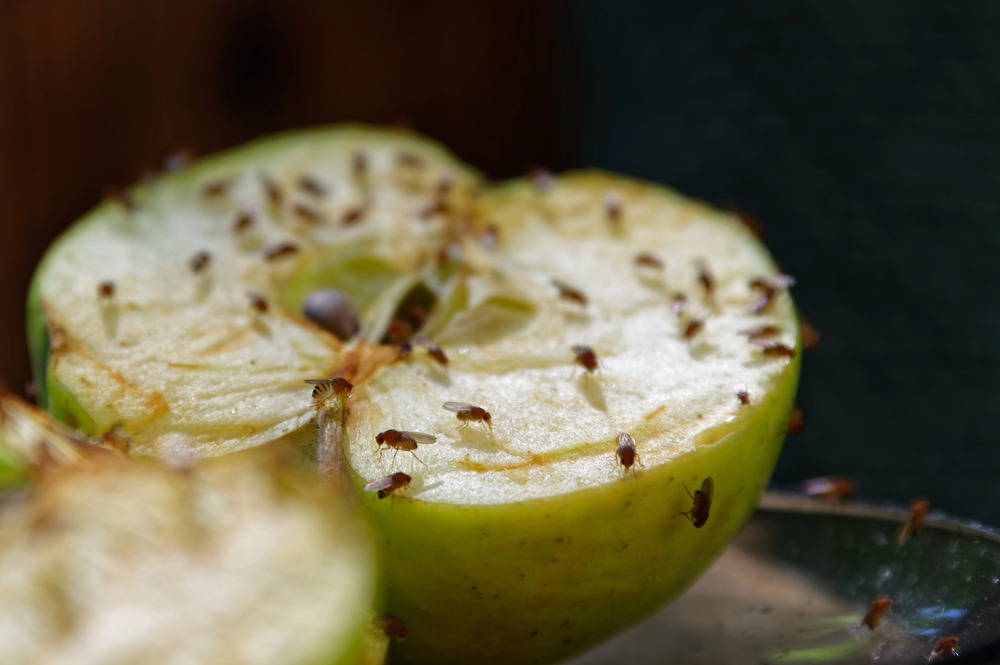
It often starts with a single fruit fly hovering near your produce. Within days, that lone fly becomes several, and before the week is over, dozens seem to appear out of nowhere. Fruit flies multiply at an astonishing rate, turning even the cleanest kitchen into a source of daily frustration for many California homeowners.
Understanding how to identify fruit fly activity early and knowing when and how to act can mean the difference between a quick fix and a full-scale infestation. For Central Valley residents, the stakes are even higher. Not all fruit flies are the same, and certain species pose risks that extend beyond the home, impacting California’s agricultural industry. This guide breaks down how to recognize fruit fly infestations, stop them effectively, and prevent them from returning.
Effective fruit fly control starts with accurate identification. Common kitchen fruit flies are small, about 1/8 inch long, with tan or brown bodies and distinct red eyes. They move in a slow, hovering flight pattern and are most often seen near produce, trash, or sink drains.
Fruit flies multiply quickly. Under favorable conditions, their lifecycle moves from egg to adult in 8–10 days, which explains how a minor issue can escalate into a full infestation almost overnight.
You may notice warning signs before large numbers appear, including:
Female fruit flies can lay up to 500 eggs during their short lifespan. What seems like a few harmless flies today can become hundreds within days if breeding sites aren’t addressed.
Most people recognize obvious fruit fly attractants like overripe fruit and uncovered trash, but persistent infestations are usually fueled by hidden breeding sites that go unnoticed during routine cleaning.
To eliminate fruit flies quickly, you must target both adults and breeding sites:
Fruit fly control fails when efforts focus only on killing visible adults. Real success comes from interrupting the breeding cycle, where eggs and larvae develop out of sight. This is why thorough inspection and sometimes professional intervention make the difference between temporary relief and lasting control.
Homemade fruit fly traps are popular for a reason—they can be effective at reducing adult fruit flies when used correctly. Understanding how they work, and where they fall short, helps prevent frustration and wasted effort.
While traps offer quick, visible relief, they come with important limitations:
If traps fill up every day despite aggressive cleaning and sanitation, this usually indicates hidden breeding sites sustaining the population. At that point, traps alone can’t break the cycle, and more comprehensive intervention is needed.
Waiting until flies appear often means breeding cycles are already established. Strengthening prevention efforts in late August before activity peaks helps reduce the risk of widespread infestations in September.
California’s mild winters prevent fruit flies from disappearing entirely. While activity slows, populations persist year-round, making ongoing sanitation and monitoring essential rather than treating fruit flies as a short-term seasonal nuisance.
Natural deterrents can help discourage fruit flies when paired with proper sanitation, but they work best as preventative support, not stand-alone solutions.
Long-term prevention depends on consistent habits, including:
Natural deterrents help maintain control once an infestation is resolved, but they won’t eliminate active breeding cycles. When eggs, larvae, and adult flies coexist, deterrents alone can’t break the cycle; professional intervention is often required for complete elimination.
Many homeowners can resolve minor fruit fly issues with consistent cleaning and basic traps. However, certain warning signs indicate that professional intervention is the more effective solution.
If fruit flies persist after aggressive DIY efforts such as source removal, drain cleaning, and trapping, hidden breeding sites are likely present.
Reappearance within days suggests eggs or larvae survived treatment, allowing the cycle to restart.
When thorough inspection still doesn’t reveal the source, trained professionals can identify subtle signs most homeowners miss.
Activity in multiple rooms points to a more extensive infestation than surface sanitation can resolve.
Any suspicion of invasive species requires immediate professional attention and reporting to California agricultural authorities.
For restaurants or commercial kitchens, fruit flies are a health code issue, making professional pest control a necessity, not an option. When thorough inspection still doesn’t reveal the source, regular pest inspections by trained professionals are key to finding the subtle signs most homeowners miss and preventing these problems from worsening over time.
Professional fruit fly control addresses the problem at every stage:
By addressing the root cause instead of just the visible flies, professional treatment delivers faster relief and prevents recurring infestations.
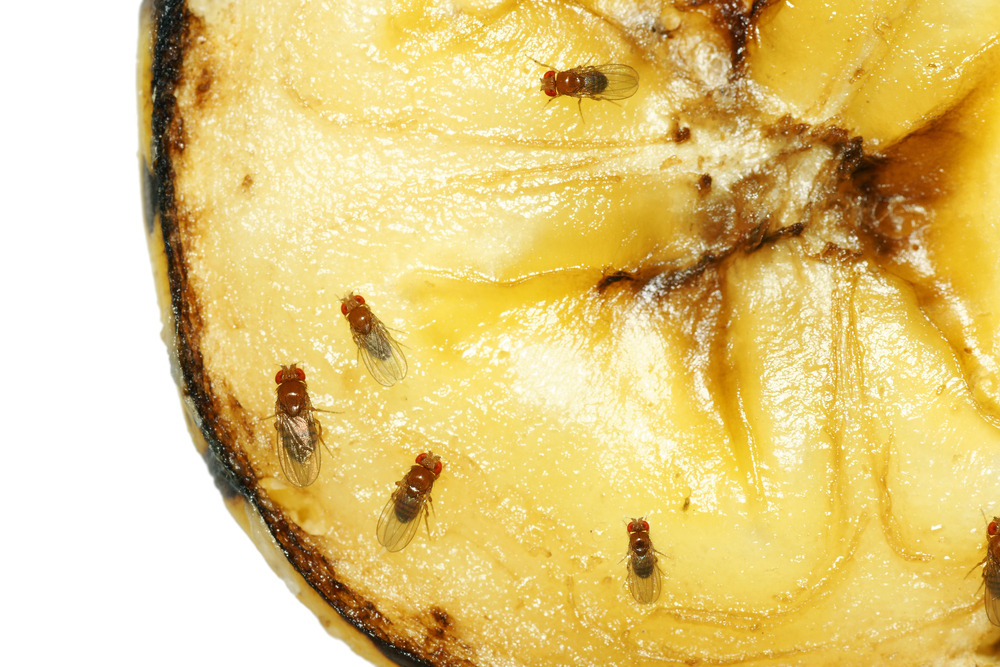
Early spotting combined with immediate action provides the easiest path to fruit fly control. Kitchen pest prevention succeeds through vigilant cleanup routines, proper storage practices, and understanding the breeding patterns that transform a single fly into a full infestation within days. Most homeowners can manage small fruit fly problems effectively when they act quickly and address breeding sites thoroughly rather than focusing solely on visible adult flies.
When kitchen fruit fly infestations persist despite your best efforts, our professionals bring the expertise to identify hidden breeding sites and eliminate populations at every lifecycle stage. We understand California’s unique pest challenges, including invasive fruit fly species that require special attention and a coordinated response to protect our agricultural heritage. Our approach combines immediate population reduction with the source elimination necessary for lasting results, restoring your kitchen to the comfortable, pest-free environment you deserve.Get a reply the same day. Call us today at 866-693-2006, and let our licensed professionals help you reclaim your kitchen from these persistent invaders.