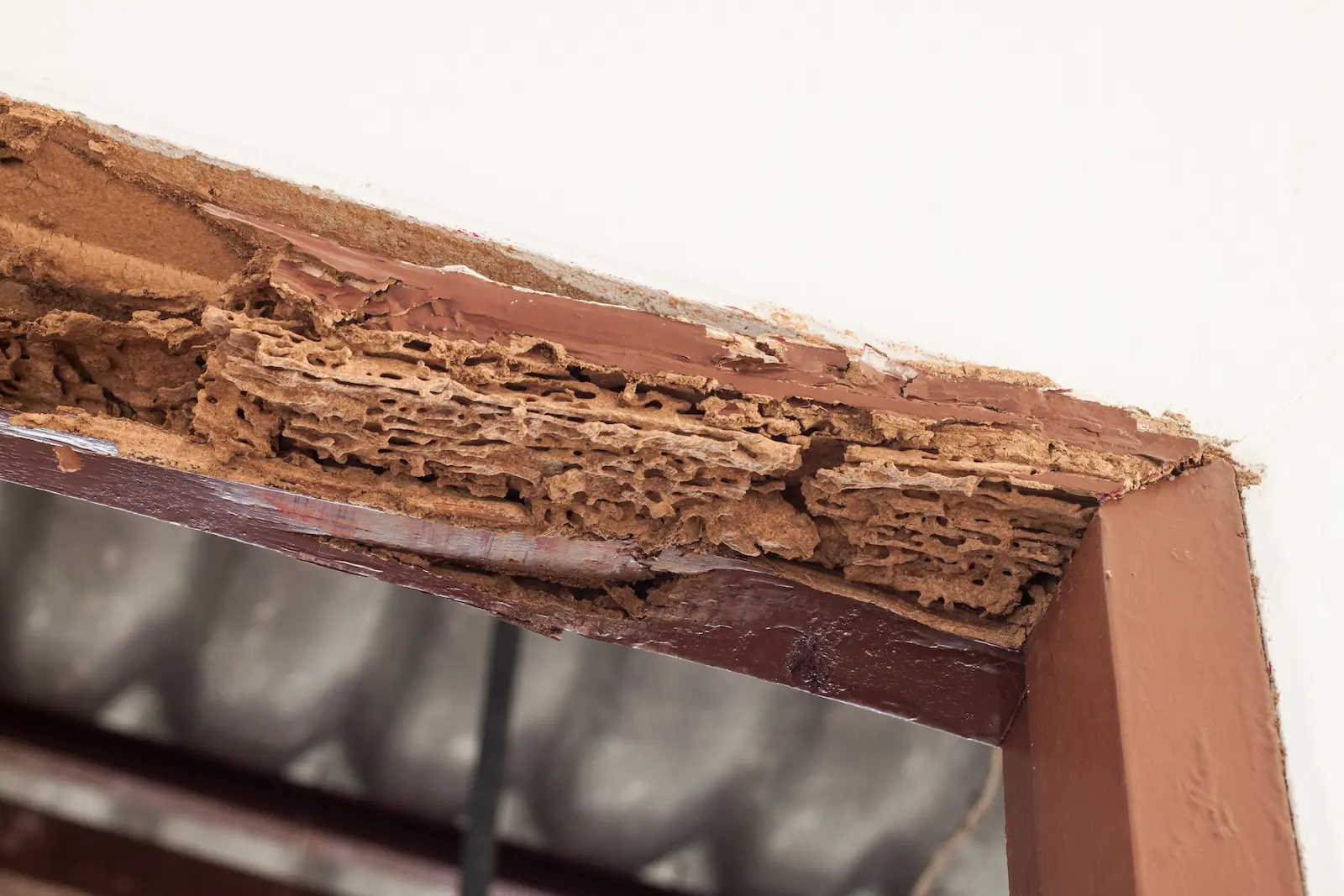
Termites are one of the most destructive pests a homeowner can face. Quiet and relentless, they chew through the wooden structures of your home behind the scenes—often without detection. By the time visible damage appears, repairs could cost thousands.
The good news? You can avoid expensive termite damage by learning to recognize the signs early and acting fast.
Why Termite Damage Can Be Devastating
Unlike other pests, termites don’t make noise or leave a strong odor. Instead, they operate in silence, tunneling through wood, walls, and even floors. What seems like a small issue—like a stuck door or bubbling paint—could actually be a sign of a serious infestation.
Termite colonies can grow to the thousands, and they work around the clock. Because most homeowners don’t notice termites until visible damage appears, infestations often go untreated for long periods. Unfortunately, homeowners insurance rarely covers termite damage—making prevention and early action all the more important.
Signs of a Termite Infestation
Catching termite activity early gives you the best chance to stop the damage before it becomes severe. Here are four of the most common warning signs to watch for:
Mud tubes along the foundation or walls
These small, brown tunnels are created by subterranean termites for moisture and protection as they travel between the colony and your home. You’ll often spot them on basement walls, crawl spaces, or near the home’s foundation.
Discarded wings near windows and doors
When termites swarm to start new colonies, they shed their wings. If you see tiny, translucent wings around windowsills or on floors, it may mean swarmers have already entered your home.
Hollow-sounding or damaged wood
Tap on baseboards, door frames, or beams. If they sound hollow or crumble easily, termites may have eaten away the inside, leaving only a thin layer of surface wood.
Bubbling paint or warped surfaces
Moisture caused by termite tunnels can result in blisters in paint or warped wooden elements. These symptoms often look like water damage but may be evidence of a hidden infestation.
If you notice any of these signs, it’s time to schedule a termite inspection right away.
How Termites Enter Your Home
Most people don’t realize how easily termites can find their way indoors. They don’t need a large gap—just the right environment and an entry point. Cracks in your home’s foundation, gaps around plumbing or electrical lines, and any direct wood-to-soil contact offer easy access.
Moisture is another major attractant. Termites are drawn to damp crawl spaces, leaky pipes, and poor drainage areas. Even something as simple as firewood stacked too close to the house can create the ideal conditions for them to enter and spread.
By identifying these vulnerabilities, you can reduce your risk of attracting termites in the first place.
Why DIY Treatments Often Fail
Store-bought sprays and bait stations might seem like a quick fix, but they rarely eliminate the source of the problem. Most over-the-counter solutions target the surface-level termites, not the colony or queen hidden deep in the walls or soil.
In many cases, DIY treatments can actually make things worse. Disturbed colonies may scatter and relocate to new areas of your home, making the infestation more difficult to control. And while you’re relying on short-term methods, the termites continue feeding undetected.
Professional treatment is the only reliable way to stop the entire colony and prevent costly damage.
How Professional Termite Control Works
At EagleShield, we start every termite service with a detailed inspection. Our trained technicians identify the species, locate entry points, and determine the extent of the infestation. Once we understand the scope, we develop a customized treatment plan that may include:
Liquid soil treatments create a protective barrier around your home to prevent further intrusion. Baiting systems attract termites and allow them to carry poison back to the colony, killing it from within. For localized infestations, spot treatments can be applied directly to affected wood. We also provide long-term prevention strategies, like moisture control and entry point sealing, to ensure the termites don’t come back.
This layered approach ensures the infestation is eliminated at its source—not just temporarily suppressed.
Long-Term Prevention and Protection
Once termites have been removed, the next step is keeping them out for good. Preventative steps can save you thousands in future repairs and give you peace of mind.
Start by scheduling annual termite inspections. These help detect early warning signs before damage becomes visible. Keep gutters and downspouts clean to avoid water buildup, and ensure the soil around your home drains properly. Create a gap between the soil and any wooden siding or deck structures, and store firewood at least 20 feet from the house and off the ground.
These habits create an environment that’s far less inviting to termites and keep your home protected year-round.
Don’t Wait—Stop Termites Before the Damage Grows
If you suspect termite activity, time isn’t on your side. Every day you wait is another day termites could be eating away at your home from the inside out. But with early detection and professional support, the damage can be stopped—and your home can be saved.
Contact EagleShield today for expert termite pest control. We’ll help you identify the signs, treat the problem at its source, and protect your home for the long haul.