4.9 Star Rating 250+ Reviews

4.9 Star Rating 250+ Reviews
Finding birds in your attic can be stressful. The flapping, scratching, and chirping disturb your sleep, and you may start to worry about damage, smells, and health risks. Whether you have one trapped bird or a full nest with chicks, knowing the right way to handle it protects both your home and the birds.
This guide explains how to tell if birds are in your attic, how to get rid of them safely and legally, what to do if there are baby birds, and how to stop the problem from coming back.
Birds rarely announce their arrival with fanfare, but they leave unmistakable evidence of their presence. Early detection makes removal significantly easier and prevents escalating damage to your home’s structure.
Listen for flapping, fluttering, chirping, and concentrated scratching or rustling in one area of the ceiling. Birds are most active in daylight, especially at dawn and dusk, while rodents are more active at night.
In the attic, check for torn or flattened insulation, nests made of twigs, grass, and feathers, piles of droppings, and dirty marks near beams or likely access points. Outside, watch for birds repeatedly flying to the same vent, gap, soffit, or section of the roof.
Inspect for gaps around vents, damaged soffits and fascia, missing tiles or shingles, uncapped chimneys, and small holes where materials meet. Even tiny openings of about 2.5 cm (1 inch) can let birds in and lead to droppings, nesting material, and damage over time.
Your attic offers birds exactly what they need: warmth, shelter from the weather, and protection from predators. It acts like a hollow tree in a built-up area, high, hidden, and close to food sources such as insects, fruit trees, or bird feeders, so it quickly becomes an attractive nesting spot.
However, birds in your attic are more than a minor annoyance. Their droppings are acidic and can damage wood, metal, and insulation, as well as carry diseases such as histoplasmosis and encourage mold growth. Nests built near wiring or lights increase fire risk, and repeated nesting can slowly weaken parts of the structure.
Birds also bring parasites such as mites, lice, and ticks. Once the birds leave, these pests can move into living areas and often need professional treatment to be removed completely.
Successful bird removal means protecting your home without harming wildlife or breaking the law. The process is different depending on whether you have adult birds only or an active nest with eggs or chicks.
In daylight, watch your roofline from the ground and note where birds fly in and out. In the attic, use a torch to look for nests, droppings, and entry points, and check whether there are eggs or young birds present.
If there are no eggs or chicks, fit a one-way device or mesh cone over the entry hole so birds can leave but not return. You can also make the attic less appealing by adding light, sound, and occasional human activity so the remaining adults choose to move on.
When you are sure all birds are out, repair gaps, cover vents with mesh, and cap open chimneys using durable, weather-resistant materials. Wear gloves, a mask, and eye protection while removing nests, droppings, and soiled insulation, then bag the waste and disinfect affected areas to cut health risks and remove scents that might attract new birds.
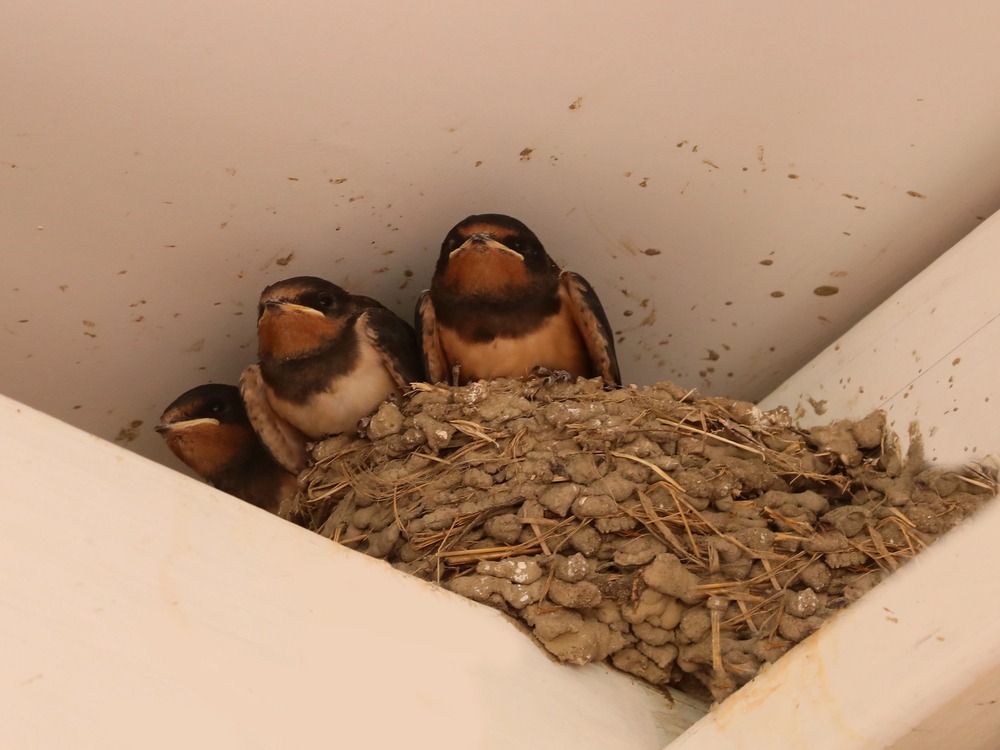
Most bird species are protected by federal and California law, so you cannot disturb an active nest with eggs or baby birds. In this case, you need to focus on monitoring and planning rather than immediate removal.
The kindest and legal option is usually to wait for the chicks to fledge, which often takes around two to four weeks. You will know they have gone when you no longer hear them calling and the parents stop making regular trips to the attic.
Moving an active nest or blocking parents out while their young are still in the loft almost always leads to the chicks dying. Parents rarely find a relocated nest, and interfering with protected birds in this way can break wildlife laws.
If the nest is right beside hot equipment, key wiring, or another genuine hazard, contact the California Department of Fish and Wildlife, a licensed wildlife rehabilitator, or a wildlife-trained pest control company. They can explain what is legal in your situation and may step in if urgent action is needed.
Once you are sure the parents and chicks have all gone, remove the old nest and any soiled material and clean the area safely. Then seal every entry point within a few days so the same birds do not return and start another brood in your attic.
Once you have gotten birds out of your attic, the priority is to ensure they do not return and understand how to break the infestation cycle for good.
Check your roof, soffits, fascia, and vents at least twice a year, especially before nesting season. Fix gaps, loose vent covers, cracked sealant, and damaged mesh as soon as you spot them, and keep nearby tree branches trimmed well back from the roofline.
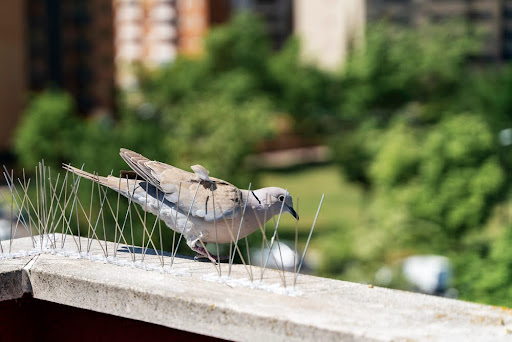
Cover attic vents with sturdy mesh that lets air flow but stops birds from getting in, and fit secure chimney caps. On problem roofs, add ridge vent guards or bird spikes on ledges and flat surfaces to make roosting less appealing.
Clear fallen fruit, keep bin lids closed, and move bird feeders further away from the house. Make sure gutters drain properly and avoid standing water close to your walls, so your property is less attractive as a feeding and nesting site.
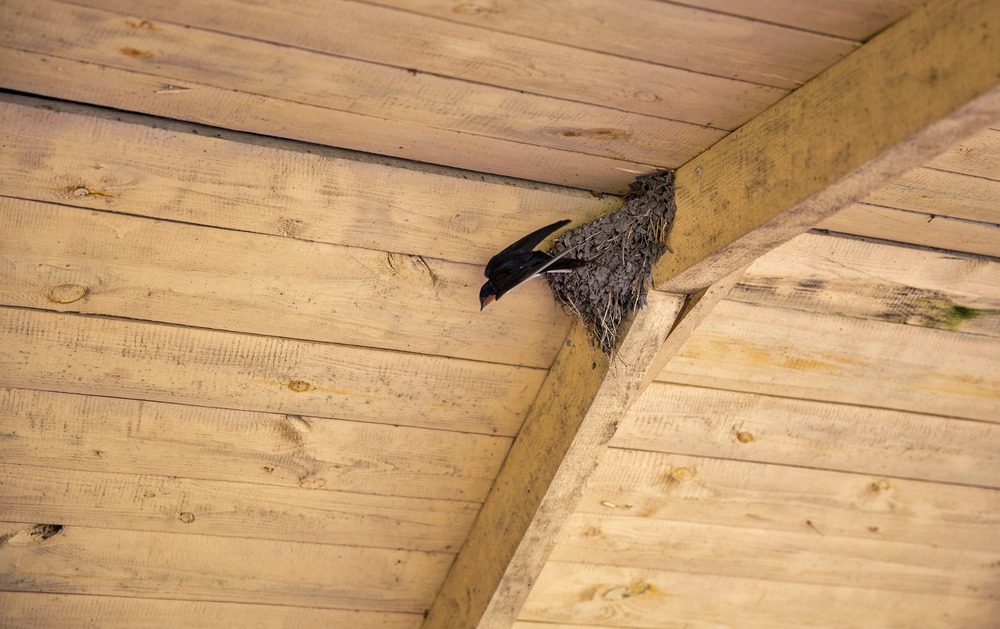
Some bird problems are simply too much for DIY, especially when there are active nests with chicks, lots of droppings, or several hard-to-reach entry points. It is also time to call a professional if birds keep coming back, you cannot safely access the attic, or you are unsure what the law allows.
A professional birds-in-attic removal service will inspect your home, find every entry point, install long-term exclusion measures, and clean and sanitize the affected areas safely. While there is an upfront cost, it often works out cheaper than repeated DIY attempts and ongoing damage, and it gives you peace of mind that everything has been handled properly, humanely, and legally.
Birds in your attic are more than a minor inconvenience; they can damage your home, affect air quality, and disturb your family’s comfort. With a mix of patience, humane methods, and good prevention, you can clear the problem and reduce the chances of it returning.
If you are unsure what to do next or are dealing with stubborn infestations, EagleShield Pest Control can help. Our professional bird control, rodent control, and termite control services work together to protect your attic and the rest of your home.
Call us today at 866-693-2006 and let our experts restore your peace of mind and keep your property pest-free.
First, work out if it is a single trapped bird or if there is a nest. For a single bird, open windows or vents in daylight, turn off the lights, and leave the space so it can find its way out. If there is a nest with eggs or chicks, wait until the young have fledged before using one-way exits, deterrents, and sealing entry points.
Check your roof, vents, soffits, and fascia regularly, and repair any gaps, damage, or loose covers straight away. Fit mesh over vents, install proper chimney caps, trim back nearby branches, and remove attractants such as feeders, fallen fruit, and standing water near the house. Putting these measures in place before spring nesting season makes them far more effective.
Yes, bird droppings can corrode wood, metal, and insulation, and the moisture encourages mold and mildew. Nests can block vents, increase fire risk near wiring or lights, and attract parasites such as mites and ticks. Over time, what starts as a minor mess can turn into costly repairs and possible health issues.
Most nesting cycles last around two to six weeks, with smaller birds finishing faster than larger ones. Without action, birds often return to the same successful nesting site every year and may raise several broods in a single season. To break this cycle, you need to remove the birds and then permanently seal the entry points.
Bird droppings can carry pathogens linked to illnesses such as histoplasmosis, psittacosis and salmonella, especially when dried droppings become airborne during cleaning. Birds also bring mites, ticks, lice, and fleas that can bite people and pets once the birds leave. Always wear gloves, an appropriate mask, and eye protection when cleaning, and consider professional help for heavy contamination.
House sparrows, European starlings, pigeons, and some swallow species are the most frequent attic visitors in California. Sparrows and starlings often use small gaps and vents, while pigeons need larger openings and create heavy nesting debris. Non-native species such as pigeons, house sparrows, and starlings are generally less protected than native birds like swallows, so removal rules can differ.
Professional bird-in-attic removal can range from a few hundred pounds or dollars for a simple single-bird job to several thousand for full exclusion, cleanup, and repairs. Costs depend on how many birds and nests are present, how easy the attic is to reach, how much cleaning is needed, and how many entry points must be fixed. Although it is an investment, proper removal and proofing often cost less than long-term damage, repeated DIY attempts, and possible legal or health problems.