4.9 Star Rating 250+ Reviews

4.9 Star Rating 250+ Reviews
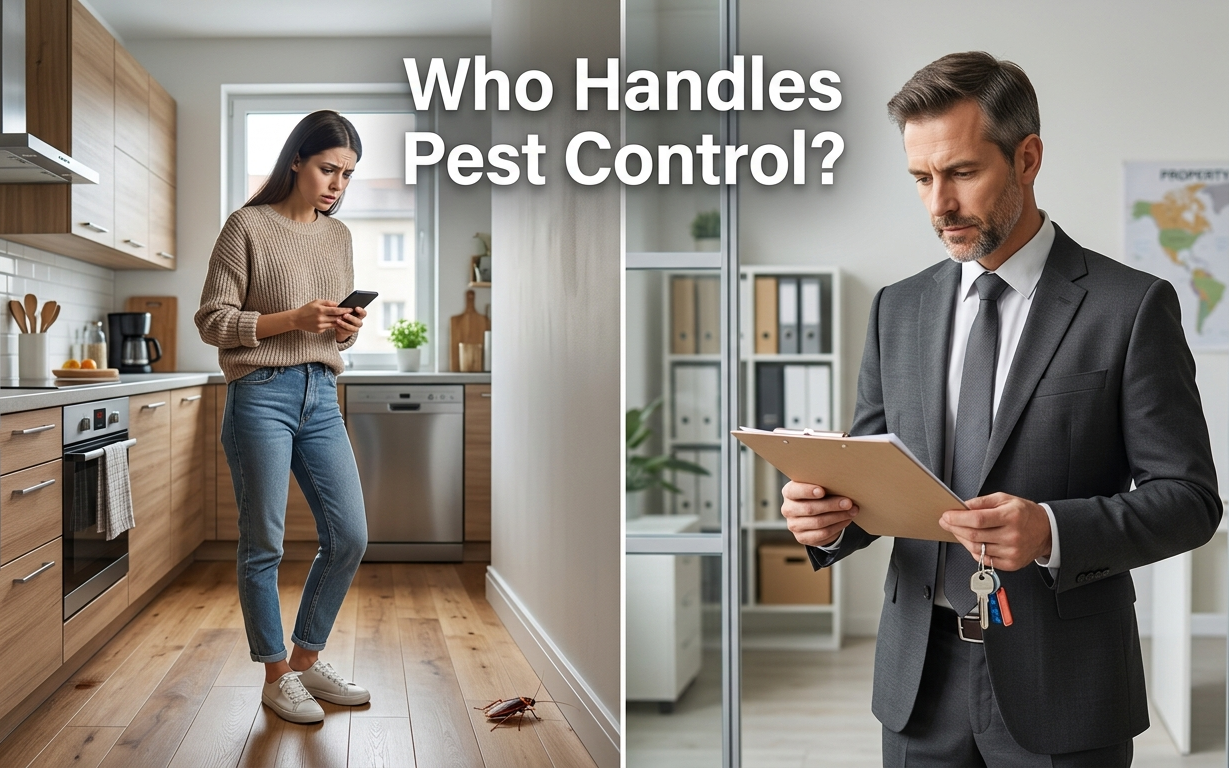
When pests invade a rental property, the first question is not what kind of pest it is. It is who is responsible for getting rid of it and who is expected to pay. From mice in the walls to cockroaches in the kitchen, these situations can quickly turn stressful for both tenants and property owners.
Whether you are wondering if landlords are responsible for pest control, if they are liable for pest infestations, or if tenants are supposed to cover the cost, the answer is not always as simple as it seems.
The short answer: in California, landlords are generally responsible for pest control. But the details matter. Understanding when landlords must act, when tenants may be responsible, and how the law applies can prevent disputes, protect your rights, and stop a minor issue from becoming a serious problem.
California law requires landlords to keep rental properties in a habitable condition. Under Civil Code Section 1941.1, that includes maintaining a home free from rodents, insects, and other pests.
In simple terms, landlords are responsible for pest control when it affects livability.
The California Department of Justice makes this clear. Landlords must provide adequate pest control for common issues like rodents, cockroaches, and bed bugs. This is a legal requirement, not a choice.
If an infestation is present, the unit may be considered uninhabitable. Whether it is termites damaging the structure or rodents and roaches creating health risks, the landlord has a duty to address the problem promptly.
In most rental situations, landlords are responsible for pest control, especially when the issue affects the safety or livability of the property. In California, this responsibility typically applies in the following situations:
A rental must be in habitable condition at the start of a lease. If a tenant finds signs of pests on move-in day, the landlord is already in violation of that requirement.
Gaps in foundations, broken seals, unsealed windows, or damaged door frames can allow pests inside. When the building itself is the cause, the landlord is responsible for fixing both the entry points and the infestation.
In multi-unit properties, shared spaces like hallways, laundry rooms, and walls fall under the landlord’s control. If pests spread from these areas into a unit, the landlord is responsible for treatment.
Pests like rodents, cockroaches, and bed bugs are more than a nuisance. They can spread disease, trigger allergies, and impact overall safety. When this happens, California law treats it as a habitability issue that requires prompt action from the landlord.
There is a meaningful exception to the general rule. Under California Civil Code Section 1941.2, if a tenant’s own actions caused the infestation, responsibility shifts. When a tenant’s negligence or conduct renders the property unfit for habitation, the tenant bears responsibility for pest control costs and any related repairs, not the landlord.
Common tenant-caused scenarios include the following:
This is precisely why clear lease language matters. Landlords are well-served by including a pest control addendum that defines expectations, describes what constitutes tenant negligence, and outlines each party’s responsibilities. A well-crafted lease protects both the property and the tenancy.
Yes. In California, landlords are responsible for pest control when it comes to rodents, including mice and rats. These pests are specifically covered under habitability laws, which require rental properties to be safe, sanitary, and free from infestations.
The California Department of Justice reinforces this by stating that landlords must provide adequate pest control for rodents. A mouse problem is not a minor inconvenience. Rodents can chew through electrical wiring, contaminate food, spread disease, and cause structural damage over time.
Once a tenant reports mice, the landlord is expected to act promptly. In most cases, that means hiring a licensed pest control professional to properly eliminate the infestation and prevent it from returning.
In California, tenants may have the right to withhold rent if a landlord fails to address a serious pest issue that affects habitability, including mice infestations. However, this is not a step to take lightly.
Before withholding rent, tenants must notify the landlord in writing and allow a reasonable amount of time for the issue to be addressed. Skipping this step can weaken your legal position.
Withholding rent carries real legal risk and should be approached carefully. It is best to seek guidance from a tenant rights organization or legal professional before taking action. Strong documentation is essential, including written notices, photos, and a record of all communication with the landlord.
Acting quickly is key. Pest problems can escalate fast, and so can the legal consequences if they are not handled properly.
California goes beyond general habitability laws with additional pest control requirements that many landlords overlook. Failing to follow these rules can lead to legal and financial consequences.
Under California Civil Code Section 1940.8.5, landlords are generally prohibited from charging tenants for pest control services. Even if a lease attempts to pass these costs onto tenants, those clauses may not be enforceable under state law.
California law requires landlords to provide written notice before applying pesticides in or around a rental unit. This rule has been in place since 1984 and includes additional requirements for properties with in-home childcare services.
In tenant-occupied units, pest control treatments must be performed by licensed professionals through the California Structural Pest Control Board. Landlords cannot rely on DIY treatments to meet their legal obligations.
Landlords cannot rent out a unit known to have a bed bug infestation without proper disclosure and documented treatment. Failing to do so can result in serious legal liability.
When a tenant reports a pest issue, prompt action is both a legal obligation and a sound investment in your property. Here is how to respond the right way.
Proactive pest management protects property value, preserves the landlord-tenant relationship, and keeps habitability complaints from escalating into legal action, rent withholding, or code enforcement visits.
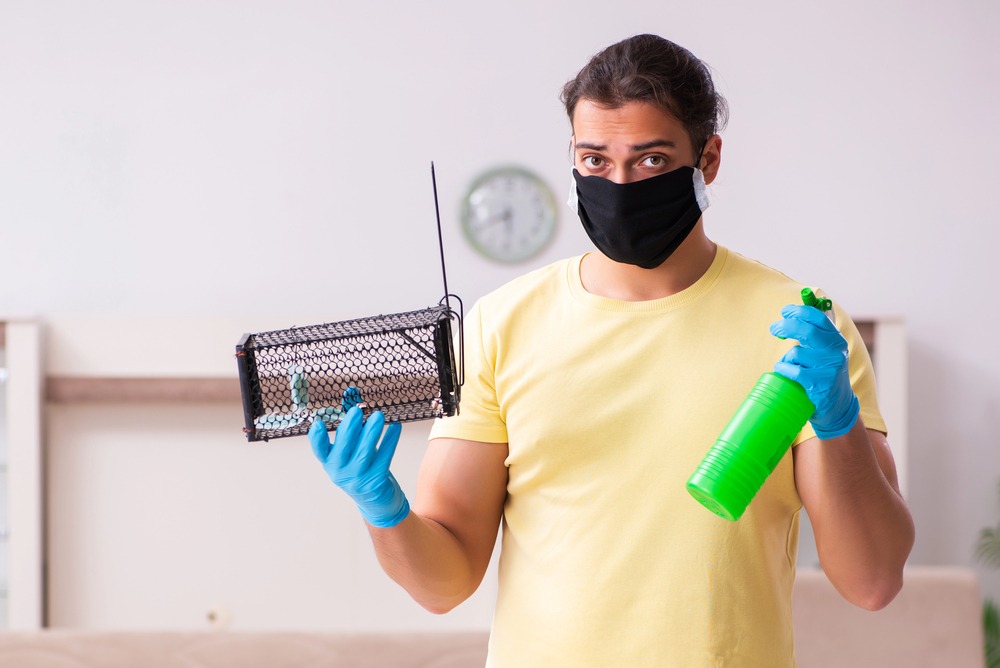
Pest control in rental properties should never be reactive. Waiting for an infestation can lead to higher costs, tenant disputes, and potential legal issues. A proactive approach, with regular inspections and preventative treatments, is the most effective way to protect both your property and your tenants.
In California’s Central Valley, local conditions like agriculture, seasonal pest activity, and structural wear increase the risk of infestations. That is why a consistent, professional pest management plan matters.
EagleShield Pest delivers year-round protection tailored to these regional challenges. Our licensed technicians provide safe, compliant, and effective treatments designed to prevent problems before they start.
Stay ahead of pest issues and avoid costly surprises. Call 866-693-2006 or contact EagleShield online for a same-day response and a customized protection plan.
In most cases, yes. Landlords are responsible for bug infestations if they affect habitability or are caused by structural issues, poor maintenance, or pre-existing conditions. However, if the infestation is caused by a tenant’s actions, the tenant may be responsible.
In California, landlords are generally supposed to pay for pest control, especially when the issue impacts the livability of the property. State law requires landlords to maintain a pest-free environment as part of their habitability obligations.
Typically, the landlord pays for pest control in apartments, particularly for infestations affecting multiple units or common areas. If the issue is caused by a tenant’s negligence, the tenant may be responsible for the cost.
Not always. Landlords are liable for pest control in most situations, but responsibility can shift to the tenant if their behavior caused the infestation, such as poor sanitation or failure to report the issue early.
Laws vary by state. While California requires landlords to provide pest control under habitability laws, other states may have different rules. It is important to check local laws or lease agreements for specific responsibilities.