A small, shiny black beetle turning up on a windowsill doesn’t look like much of a threat. Most of the time, it isn’t, at least not on its own. But spotting a black beetle bug in house fabric, rugs, or pantry goods is often the first visible sign of an infestation already working through your closets or kitchen, which is why identifying it correctly matters more than its size.
The most common black beetle found in California homes is the black carpet beetle. This guide covers how to identify it, what it’s doing in your house, and when a few stray beetles on a windowsill turns into something worth calling a professional about.
Meet the Black Carpet Beetle
Adult black carpet beetles are shiny black to dark brown, ranging from 1/8 to 3/16 inch long, with brownish legs, which is the beetle most people mean when they describe “a black beetle in the house”. In California’s dry climate, this species tends to be more of a stored-product pest, meaning it targets pantry goods like grains, flour, and cereal, than a pure fabric pest.
The larvae look nothing like the adults: shiny, smooth, and covered in short, stiff hairs, tapering toward the rear into a tuft of longer hairs. Larvae can live for 166 to 330 days before pupating, which means an infestation can be quietly developing for the better part of a year before you notice the adults flying toward your windows.
How They Get In, and Why They’re There
Adult carpet beetles don’t feed on fabric at all. They’re pollen feeders that fly in from flowers in the landscape, often hitching a ride indoors on cut flowers brought in from the garden, or slipping through gaps in window screens and door seals. Seeing one or two on a windowsill isn’t automatically cause for alarm.
What does matter is what’s happening out of sight. Larvae seek out dark, undisturbed spots, wool rugs, stored linens, pet hair accumulations, old spider webs, and forgotten corners of closets, where they feed for months at a time. A few adults at the window is normal background noise. Larvae actively feeding on fabric or stored food is the sign that management is needed.
Telling Carpet Beetle Damage From Moth Damage
Carpet beetles get confused with clothes moths constantly, and the distinction matters because the two aren’t controlled the same way. Carpet beetle larvae don’t spin webs the way moth larvae do, and they leave behind brown, shell-like, bristly cast skins when they molt, which is one of the clearest visual clues pointing to beetles rather than moths.
Damage pattern is the other tell. Carpet beetles tend to concentrate damage on one section of a garment or carpet, while moth damage tends to show up as scattered holes across a wider area. Finding gritty, salt-grain-sized fecal pellets near the damage, without any silk webbing, is a strong sign you’re dealing with beetles.
Prevention Beats Treatment Here
Carpet beetles are genuinely difficult to eliminate once established, because they can find food sources in obscure corners of a building and disperse widely. Successful control depends primarily on sanitation and exclusion, not pesticides; if those two things are done well, insecticide treatment usually isn’t needed at all.
Practical steps that make the biggest difference: check window screens and door seals for gaps, inspect cut flowers before bringing them inside, vacuum rugs and upholstery regularly and dispose of the bag promptly, and store off-season woolens in sealed, airtight containers rather than open closets. If you’re finding active larvae rather than the occasional stray adult, that’s the point where a professional inspection is worth scheduling.
Not Just a Nuisance Bug
A shiny black beetle on the windowsill is usually just background traffic from the garden. The version worth paying attention to is the one you don’t see: larvae quietly feeding in a closet or pantry for months before anything looks obviously damaged. Knowing the difference between “a beetle flew in” and “beetles are established here” is what determines whether you need to act.
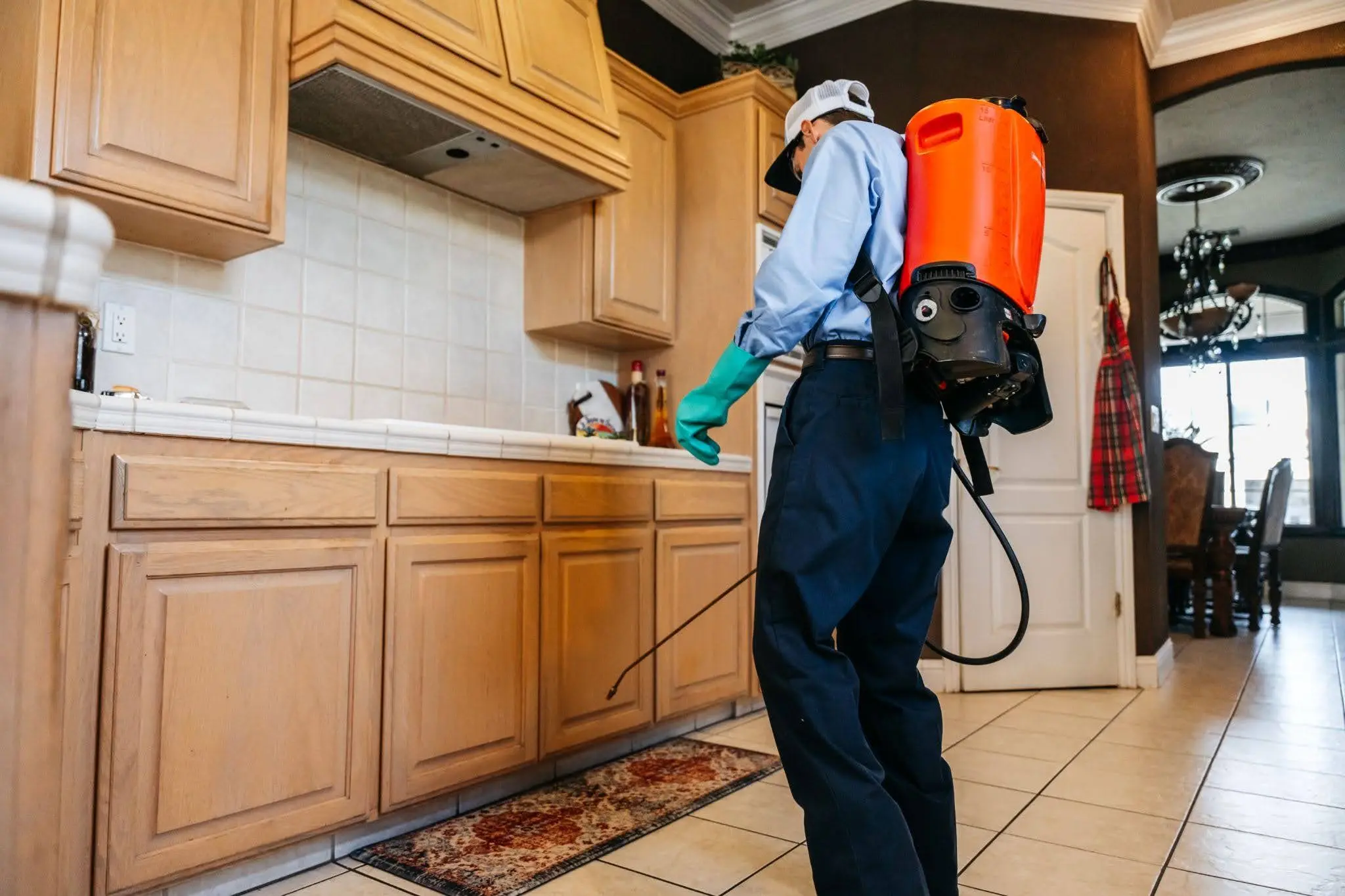
If you’re finding cast skins, fecal pellets, or damage concentrated in one spot rather than the occasional visitor at the window, get a professional beetle inspection from EagleShield before the infestation spreads further into fabrics or stored food.
FAQ
Are black carpet beetles dangerous to my health?
No, they don’t bite people or spread disease. The concern is property damage to fabrics, stored food, and other animal-based materials, not a health risk.
Why do I keep seeing beetles even though I don’t have carpets?
Black carpet beetles are more of a stored-food pest in California’s climate, targeting pantry items like grains and cereal rather than exclusively carpets and wool.
Can I just vacuum them away?
Regular vacuuming helps a lot and removes eggs, larvae, and adults, but if larvae are already established in fabric or stored food, vacuuming alone usually isn’t enough to fully resolve it.
How do I know if it’s a carpet beetle and not a clothes moth?
Look for cast skins and fecal pellets without any silk webbing. Moth damage tends to scatter across a wider area; carpet beetle damage concentrates in one section.