
4.9 Star Rating 250+ Reviews

4.9 Star Rating 250+ Reviews
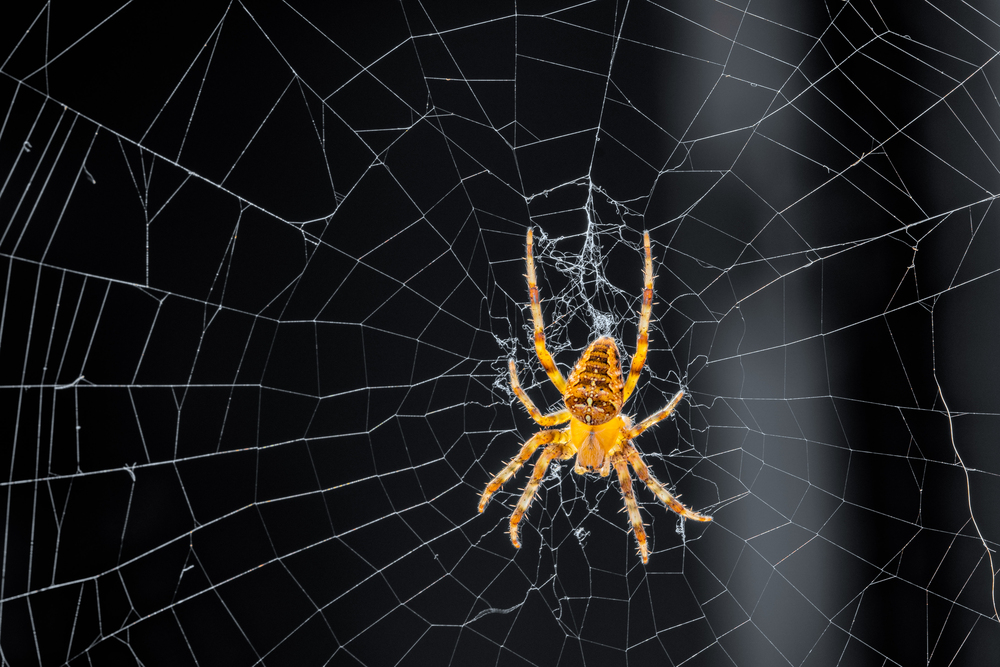
You walk into the garage and find a web stretched across the corner. You spot a quick-moving silhouette behind the bookshelf. You pull back a storage box and find three more lurking in the dark. For California homeowners, this is a familiar scene that can happen year-round.
If you are searching for a natural way to get rid of spiders in your house, the instinct to avoid chemical sprays is understandable. For families with children, pets, or simply a preference for safer solutions, harsh treatments are not always the right fit.
The good news is that natural methods can be highly effective when you understand how spiders operate and what actually drives them away.
Before reaching for peppermint oil or white vinegar, it helps to understand why these solutions actually work. Spiders do not have noses in the traditional sense. Instead, they “smell” through chemoreceptors located on their legs. When they walk across a surface treated with a strong-scented substance, those receptors are overwhelmed, making the area feel hostile and disorienting.
This is why scent-based deterrents can be surprisingly effective. The key word, however, is “can.” Natural repellents work best as part of a broader strategy, not as a standalone fix. On their own, they offer temporary relief. Combined with physical removal, habitat reduction, and exclusion techniques, they become a legitimate defense plan.
Peppermint oil is the most research-supported natural spider repellent. Its menthol compounds overwhelm spiders’ sensory receptors, making treated areas feel uninhabitable.
How to use peppermint oil:
Other effective scents:
Use the same spray mixture or diffuse in problem areas. For citrus, you can also rub fresh lemon or orange peel along windowsills and door frames.
Pet safety note:
How often to apply:
White vinegar kills house spiders naturally on contact. Its acetic acid is toxic to spiders, making it effective for eliminating visible ones, not just repelling them.
How to use it:
Where to apply:
How often:
Important caution:
Scent deterrents treat the symptom. Physical removal targets what attracts spiders in the first place.
Start with removal:
Reduce hiding spots:
Address outdoor conditions:
Reducing shelter makes your home far less inviting for spiders to settle and multiply.
Scents and sprays create temporary barriers. Sealing entry points creates permanent ones.
Inspect the exterior of your home for gaps around window frames, door frames, pipes, vents, and utility lines. Even a small crack is sufficient for most spider species to pass through. Use weatherproof caulk to seal gaps along the foundation and around plumbing entry points. Installing door sweeps on exterior doors and fine-mesh screens on windows and vents adds another layer of protection that requires no maintenance once in place.
This exclusion work is the most durable natural solution available. It does not require reapplication, it does not evaporate, and it protects against every pest that enters through the same openings, not just spiders.
This is the strategy that most DIY guides overlook entirely. Spiders do not enter your home because they want to live with you. They enter because your home offers two things: prey and shelter.
Reducing the insect population inside your home removes the primary reason spiders move in. Fix leaky pipes and address any moisture issues, since standing water attracts the flies, gnats, and mosquitoes that spiders feed on. Swap traditional outdoor lighting for yellow or sodium vapor bulbs, which attract far fewer insects and, in turn, discourage spiders from gathering near entry points.
For persistent activity, pairing these natural methods with professional spider pest control can help eliminate hidden populations and prevent them from returning.
Not every spider in your home presents the same level of concern. The most common species California homeowners encounter are the common house spider, the wolf spider, and the cellar spider, all of which are harmless to humans and, frankly, helpful in controlling other insects.
Two species warrant more serious attention: the black widow, identifiable by its shiny black body and the red hourglass marking on its abdomen, and the brown recluse, identified by the violin-shaped marking on its back and its preference for dark, concealed spaces. Both species can be found across California, with higher activity during warmer months in the Central Valley.
If you suspect either of these species is present in your home, natural deterrents are not the appropriate response. Contact a licensed pest control professional immediately rather than attempting to handle the situation yourself.
Natural solutions are genuinely effective for mild infestations, general prevention, and maintaining a low-spider environment over time. They are not, however, a reliable answer to recurring infestations, established populations, or the presence of venomous species.
If you have applied these methods consistently and spiders keep returning, that is typically a sign of a broader pest ecosystem issue that requires a professional assessment. There may be structural entry points that are difficult to locate without a trained inspection or an underlying insect population that continues to draw spiders back regardless of surface-level deterrents.
A natural approach to spider control is entirely achievable with the right combination of scent deterrents, physical removal, habitat reduction, and exclusion. For most California homeowners dealing with common house spiders, these methods provide real, lasting results without introducing chemicals into their living space.
When you have done the work and the spiders keep finding a way back, that is where EagleShield Pest Control steps in. Our licensed technicians are deeply familiar with the pest landscape of the Central Valley and across California, and we are primed and ready to provide the kind of thorough, customized defense that no DIY spray can replicate.
Feel unsure about what you are dealing with? Contact us today, and our experts will address any concerns you might have. We guarantee a same-day reply because your peace of mind should never have to wait.
White vinegar kills house spiders naturally on contact. A 1:1 mix of vinegar and water sprayed directly onto spiders or webs works through its acetic acid. Saltwater can also kill spiders, but vinegar is more effective indoors.
Peppermint, eucalyptus, lavender, and citrus smells repel spiders. Peppermint is the most effective due to its strong menthol compounds. Apply as sprays along entry points and reapply every 5 to 7 days.
Spiders hate strong scents, frequent disturbance, and environments without prey. Regular cleaning, decluttering, and scent deterrents make your home unappealing for them.
Reducing their food source makes spiders go away. Eliminating insects removes their reason to stay. Combine this with sealing entry points and using natural repellents.
Yes, natural repellents work best for prevention and mild infestations. They are most effective when combined with cleaning, decluttering, and sealing entry points.
Apply natural repellents every 5 to 7 days. Essential oils lose strength over time, so consistent reapplication is necessary for results.
Some natural repellents can harm pets. Avoid tea tree and concentrated citrus oils. Use diluted lavender or eucalyptus and keep pets away until surfaces are dry.