4.9 Star Rating 250+ Reviews
4.9 Star Rating 250+ Reviews
Pests can often create friction between landlords and tenants. When ants appear on worktops or rodents move through the walls, the question is, who is responsible for dealing with them? Across California and other states, pest control in rental properties follows a split based on law and practical responsibility.
Landlords are responsible when pests are linked to the building’s structure or pre-existing conditions. Tenants are responsible when infestations arise from their day-to-day living habits. However, lease terms, local rules, and specific facts can shift where the duty ultimately falls.
This guide explains why the answer matters: it decides who pays, how quickly treatment happens, and whether the property stays habitable.
In most cases, yes. Landlords are responsible for pest control, especially when the problem is linked to the property itself rather than how the tenant lives.
This responsibility comes from the legal requirement to provide a habitable home. In plain terms, that means a rental must be safe and fit to live in. A serious pest problem, especially one that affects health or damages the building, usually breaks that standard.
Landlords are typically responsible when:
Examples:
In these situations, tenants did not cause the problem, and they cannot reasonably fix the underlying issue themselves. The landlord controls the structure, so the landlord must deal with it.
In most jurisdictions, including California, landlords are legally required to keep rental properties free from serious pest infestations. They must also repair defects that allow pests to enter, such as gaps, broken vents, or damaged pipes.
Landlords are expected to deal with pest problems that affect multiple tenants or shared areas and to arrange professional pest control when issues are significant or recurring.
Even when a tenant’s behavior contributes to the problem, landlords usually still need to act once an infestation affects habitability or spreads beyond a single unit. They may then try to recover some or all of the costs from the tenant if there is clear evidence that the tenant caused the issue. However, their core duty to provide a safe, livable home remains.
When deciding who is responsible, the key question is
Generally:
Landlords pay when pests are linked to:
Tenants may pay (at least in part) when:
California law requires landlords to maintain a pest-free, habitable property, and many other states follow similar principles. However, the exact rules can differ by state and even by city. A lease cannot remove basic habitability rights, even if it tries to push all pest control costs onto tenants.
If there is doubt, tenants and landlords should check:
In practice, who is responsible for pest control when renting usually comes down to what caused the problem. If pests are getting in because of building defects, such as holes in exterior walls or moisture from leaking pipes that attract termites, the landlord is normally responsible. These issues relate to property maintenance, not how the tenant lives.
Responsibility can shift towards the tenant when their habits clearly create the conditions for an infestation. Leaving food uncovered, letting rubbish build up, or allowing the home to become unhygienic can attract pests like roaches, and the tenant may be asked to cover some or all of the cost. Even then, landlords often still need to arrange professional pest control, especially in flats or multi-unit buildings, to stop the problem from spreading and to keep the property habitable.
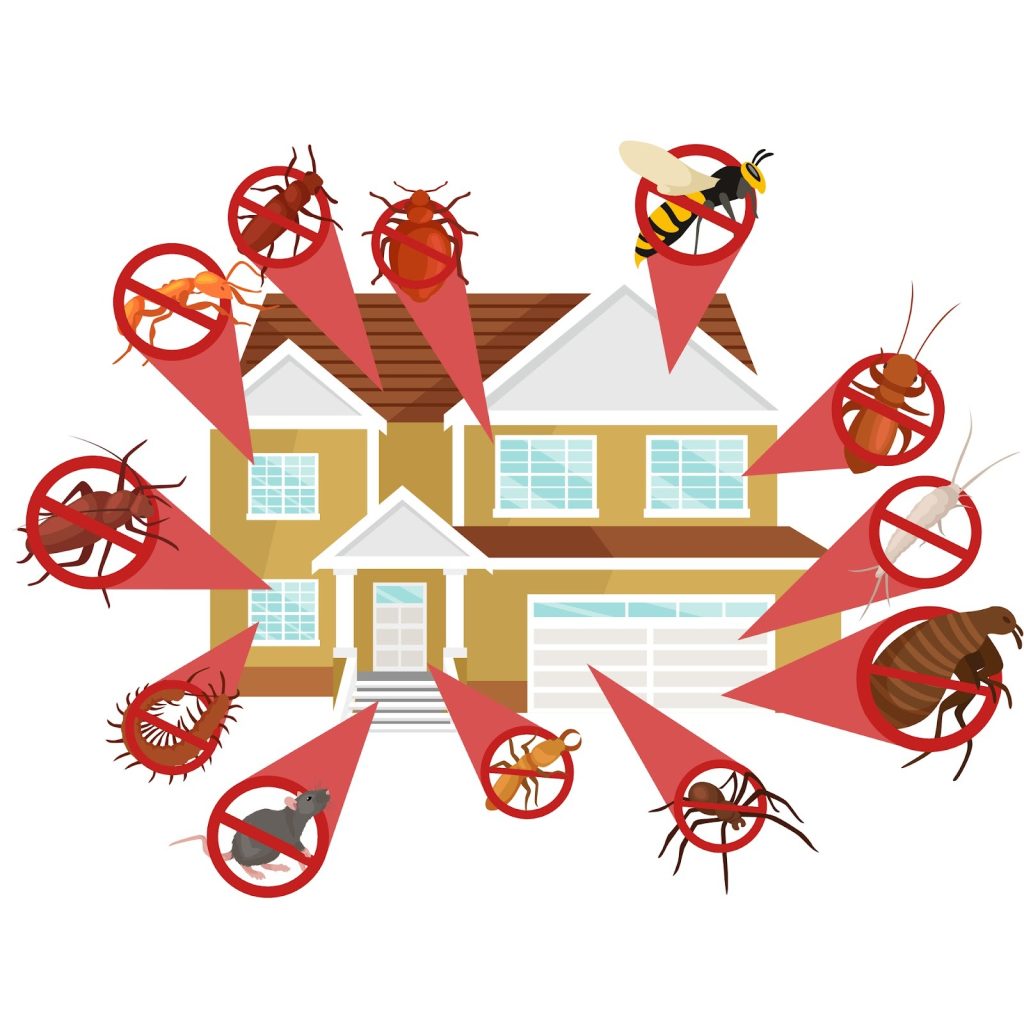
While the exact answer can vary, here is a helpful rule of thumb:
Often treated as a landlord’s responsibility because they affect habitability and spread easily between units. Many areas expect landlords to handle bed bug infestations promptly, regardless of blame.
Almost always the landlord’s responsibility. They are structural pests and require professional treatment and often repairs.
In all cases, ignoring pest problems usually makes them worse and more expensive. Whoever is responsible should act quickly.
If you’re a tenant and your landlord isn’t taking pest issues seriously, follow a clear, simple process:
Keep a clear record of the problem by taking photos or videos of pests and any damage you can see. Note the dates, times, and where in the property you found them, as this helps show how serious and ongoing the issue is.
Contact your landlord by email, text, or letter so there is a written record of your report. Explain what pests you are seeing and where they appear, and ask for professional pest control within a reasonable timeframe.
Save every message you send and receive about the issue, including emails, texts, and letters. These records can be important if you need to prove what was reported and how your landlord responded.
If your landlord does not act and the infestation affects your health or safety, you can contact your local housing or environmental health department. They may be able to inspect the property and require the landlord to carry out repairs or treatment.
In some places, tenants may be allowed to arrange pest treatment and recover the cost, but strict rules usually apply. Always check local law or speak to a tenant advice service or legal professional before withholding rent or taking formal action.
Landlords who manage pest control proactively protect both their investment and their relationship with tenants. Good practice includes:
Inspect the property thoroughly at the start and end of each tenancy, noting any signs of pests or entry points. Fix problems before new tenants move in to prevent infestations from taking hold.
Plan periodic inspections during the tenancy to spot early signs of pests or maintenance issues. Dealing with small problems quickly is far cheaper and easier than handling a full infestation.
Set out in the tenancy agreement what you will take responsibility for, such as structural issues and professional treatments when needed. Clearly explain what you expect from tenants, including basic cleanliness, rubbish storage, and prompt reporting of pest activity.
Consider arranging regular visits from a pest control professional, especially for multi-unit or high-risk properties. Routine treatments can prevent many infestations and show tenants that you take their living conditions seriously.
Act promptly when tenants report pests or conditions that might attract them. Fast, professional responses reduce damage, lower long-term costs, and help maintain a positive landlord–tenant relationship.
Whether you are a landlord protecting your investment or a tenant looking for a safe, comfortable home, knowing who is responsible for pest control makes it easier to resolve issues quickly and fairly. When both sides understand their responsibilities, keep basic records, and communicate early, most infestations can be managed before they turn into serious disputes.
At EagleShield Pest Control, we help rental properties across California with comprehensive residential and commercial pest control services. We offer targeted treatments for ants, cockroaches, bed bugs, termites, rodents, mosquitoes, and wildlife, supported by PestShield365™ year-round protection and an integrated pest management approach.
Call EagleShield Pest Control at 866-693-2006 for a same-day reply and professional support.