If you own a home in California’s Central Valley, you know how pests can become a problem no matter the season. Our warm climate, agricultural surroundings, and mild winters mean that pest activity never truly stops. But with the right timing and preventative action, you can protect your home and avoid the headaches of unexpected infestations.
Here’s a month-by-month guide to pest activity in the Central Valley—along with seasonal prevention tips and recommended treatment strategies to help you stay ahead all year long.
January – February: Winter Watch for Rodents and Overwintering Insects
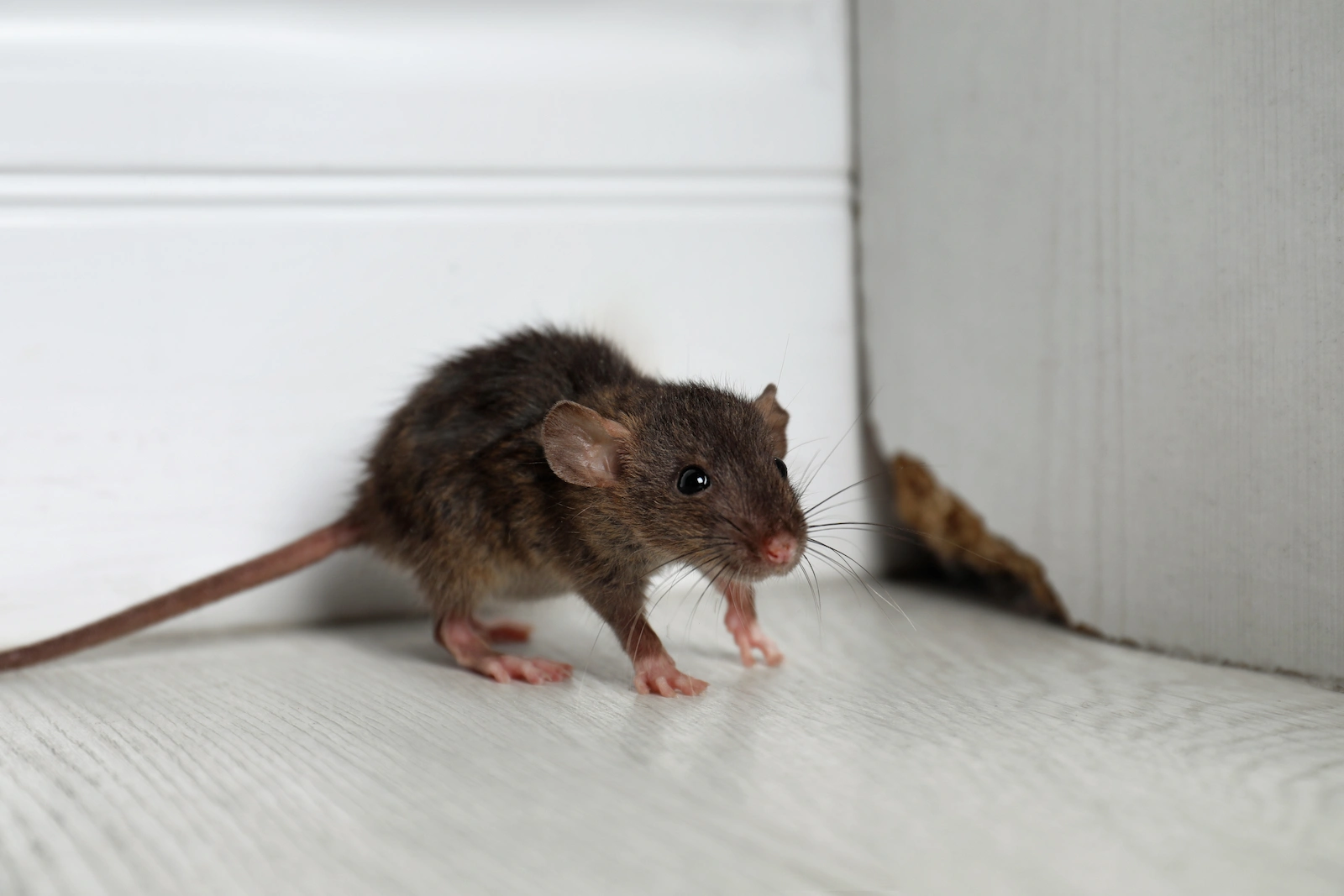
Although the cooler months bring a lull in visible pest activity, winter is when many pests shift their behavior indoors. Rodents like mice and rats look for warmth and shelter, often nesting in attics, basements, and walls. Meanwhile, insects such as cockroaches and spiders may take refuge in dark, undisturbed areas of your home.
This is a prime time for pests to settle in unnoticed—so early detection is key. Don’t let the quiet fool you; winter is the ideal season to reinforce your home’s defenses and inspect for vulnerabilities.
Winter Tips:
- Seal cracks, gaps, and entry points around doors, windows, and utility lines.
- Store pantry items and pet food in airtight containers.
- Clear out garage and attic clutter where rodents and spiders may nest.
- Schedule a winter inspection to detect hidden pest issues before they escalate.
March – April: Spring Surge Begins
As temperatures begin to rise, so does pest activity. Spring marks the beginning of the reproduction season for many pests, including ants, spiders, and stinging insects. You may also notice swarms of flying insects like carpenter ants or wasps beginning to build nests in and around your property.
This is a crucial time to get ahead of infestations with preventative treatments and home maintenance.
Spring Tips:
- Apply a perimeter spray treatment to prevent ant and spider invasions.
- Remove yard debris, standing water, and leaf piles that serve as breeding grounds.
- Trim trees and bushes away from the house to limit access points.
- Repair leaky faucets and irrigation lines to eliminate excess moisture.
May – June: Termites and Ants Go into Overdrive
Late spring is peak swarming season for subterranean termites in the Central Valley. If you’ve never had a termite inspection—or it’s been a few years—this is the time to act. You’ll also see continued activity from ants, particularly in kitchens and bathrooms where moisture is present.
Don’t wait for structural damage to show up. Preventative termite measures now can save you from costly repairs down the line.
Late Spring Tips:
- Schedule a professional termite inspection to catch early signs of activity.
- Install or refresh termite bait stations or soil treatments.
- Address areas of wood-to-soil contact around the home.
- Keep mulch and wood piles at least 18 inches away from your foundation.
July – August: Summer Heat Drives Indoor Invasions
The scorching Central Valley heat sends pests searching for cool, moist environments—often leading them straight into your home. Common summer invaders include cockroaches, earwigs, ants, and even fleas and ticks if you have pets.
This is when pest pressure peaks, so it’s essential to maintain both indoor and outdoor treatments during these months.
Summer Tips:
- Maintain a consistent pest control treatment schedule, especially in problem areas like kitchens and bathrooms.
- Ensure crawl spaces, attics, and basements are well-ventilated and dry.
- Replace worn-out weather stripping and repair torn window screens.
- Vacuum regularly, especially if you have pets, to prevent flea development.
September – October: Rodent Season Begins
As nights cool down and harvest season kicks in, rodents become increasingly active, seeking entry into homes to build nests for the colder months ahead. This is when rodent-proofing becomes a top priority.
Mice and rats can squeeze through holes as small as a dime, so now’s the time to inspect your home from foundation to roofline.
Fall Tips:
- Inspect your home’s exterior for cracks, holes, and compromised vents.
- Install door sweeps, chimney caps, and rodent-proof mesh over openings.
- Clean out storage sheds and garages where rodents may shelter.
- Consider setting traps or placing preventative bait stations around the property perimeter.
November – December: Year-End Prevention and Monitoring
As the year winds down, pest activity slows—but that doesn’t mean you should pause your prevention efforts. This is an ideal time to review your pest control history, schedule inspections, and prep your home before pests become a problem again.
It’s also when stored holiday decorations, firewood, and cluttered storage areas can harbor unwanted guests.
End-of-Year Tips:
- Deep clean and reorganize attics, garages, and storage spaces.
- Inspect boxes of decorations and stored items before bringing them inside.
- Replace and refresh any existing bait systems or monitoring traps.
- Book your annual pest control plan for the year ahead to lock in proactive coverage.
Take the Guesswork Out of Pest Control
With year-round pest activity in California’s Central Valley, waiting for a problem to arise could cost you in time, money, and stress. By aligning your pest control strategy with this seasonal calendar, you’ll be able to prevent infestations before they start—and maintain a safer, more comfortable home all year long.
At EagleShield Pest Control, we offer customized, proactive protection plans designed to keep pests out—season after season. Whether you need a one-time treatment or full-service coverage, we’re here to help.
Let’s build your custom pest prevention plan. Contact us today to schedule your inspection and take the first step toward a pest-free home.